Expertise provided by Nuchie Schapiro, Owner
“Well, there was the divorce, and he got bullied pretty badly in middle school, and my mom died last year, but nothing really traumatic happened.” Parents say some version of this to Centered Health’s admissions team so often that the team could almost finish the sentence for them. If you are reading about a psychiatric program for teens with trauma, you may be doing the same thing right now. You line up the hard things your child has lived through, and then you talk yourself out of each one because none of them feels “big enough” on its own.
You are not doing that because you don’t care. You are doing it because admitting that something hurt your kid can feel like admitting you missed it, or caused it, or should have fixed it by now. That weight is real, and it is one of the main reasons families may wait longer than they need to.
This guide covers what these programs are, how to tell whether what happened “counts,” how a program may pace trauma work to support a teen’s sense of safety, who residential care may fit and who it doesn’t, what recovery can look like, and how insurance works. Centered Health is based in Culver City, CA, and treats teens ages 12 to 17 in small residential homes built around personalized evidence-based care.
What is a psychiatric program for teens with trauma?
At Centered Health, a psychiatric program for teens with trauma means your teen lives in a small home for a period of time, with 24/7 observation, daily therapy, and a treatment team working together on the trauma and everything tangled up with it. It is a higher level of care than a weekly therapy appointment, designed for teens whose struggles have outgrown one hour a week.
The difference between a checkup and a hospital stay is a useful way to picture it. At a checkup, a doctor sees you for a short visit, gives you advice, and sends you home to handle the rest yourself. That works for many problems. During a hospital stay, people watch over you around the clock and adjust your care as things change. Weekly outpatient therapy is the checkup. Residential care is closer to the hospital stay, except your teen lives in a home with kids their own age, not on a ward.
At Centered Health, the services in that home include individual therapy, group therapy, family therapy, and multifamily therapy, where several families learn and work alongside each other. Medication management and 24/7 observation are also part of it. So is utilization review. That phrase sounds like paperwork, but it matters to you: the utilization review team works with your insurance company to show why your teen needs this level of care and for how long. Centered Health treats that kind of advocacy as part of good care. An insurance reviewer can’t see what you see at home, so someone has to make the case clearly.
Trauma itself is less about the event and more about what it leaves behind. Common signs in teens include trouble sleeping, nightmares, being jumpy or on edge, sudden anger, pulling away from friends, and going numb. Caring for young people through a trauma lens is now mainstream public health practice. The Community Preventive Services Task Force, an independent public health panel, has reviewed the evidence on trauma-informed programs for youth in schools and found they can improve young people’s mental health. A residential program takes that same lens and applies it to every hour of the day.
Does what happened to my teen count as trauma?
It may, even if nothing about it sounds dramatic on paper. Trauma is measured by how an event landed on your particular teen, not by how serious it would sound to a stranger.
Two sentences come up on admission calls again and again. The first is “it wasn’t that bad.” The second is its cousin, “it happened years ago, they should be over it by now.” Many parents believe trauma has to be huge and obvious to count. Or they know about something that happened when their child was eight and assume it is in the past, because the teen never brings it up.
Centered Health’s team gently questions both ideas. Bullying can leave a mark. So can a scary medical experience, the sudden loss of someone close, a divorce, or growing up around a parent’s addiction. The same event can also land very differently in the same house. Two siblings can go through the same divorce, and one may seem fine while the other is shaken to the core. Neither child is weak or strong. They are different people, with different ages, temperaments, and roles in the family when it happened.
Look again at the sentence at the top of this page: a divorce, then serious bullying, then a grandparent’s death. A teen might get through any one of those with some support. Three of them stacked over a few years is a different load, and a parent counting them one at a time can miss the total.
Trauma also does not always fade just because time passes. Sometimes it goes quiet and returns in adolescence, when the brain is changing and life gets more intense. A teen who seemed fine at ten can start losing sleep, snapping at everyone, or shutting down at fifteen. A delayed reaction like that can happen, and it doesn’t mean the child is making things up.
You may be worried that if it counts, you should have seen it sooner. Some parents in this spot describe feeling relief once they hear the explanation. It can help make sense of what they have been watching at home, and it suggests they were not overreacting.
How does a program pace trauma work to support a teen’s sense of safety?
Once you know what happened may count, the next worry is usually what treatment will ask of your teen. A thoughtful program builds safety and coping skills first and goes deeper only when the teen is ready. At Centered Health, no teen is pushed to retell the worst thing that happened on day one.
Think about how kids learn to swim. A thoughtful swim teacher doesn’t throw a scared child into the deep end and call it a lesson. You start in the shallow end. The child learns to float, to breathe, and to trust that they can stand up when they need to. Only then do you move toward deeper water. Trauma work can run the same way. Your teen first works on calming their body, supporting sleep, and handling a hard feeling without exploding or shutting down. With those skills in place, the harder memories may become something they can face instead of something that floods them.
The therapy plan is chosen for each teen, not handed out as one package. One approach Centered Health’s trauma therapists use is EMDR (Eye Movement Desensitization and Reprocessing). It is a structured therapy that uses guided eye movements or another back-and-forth rhythm while a person briefly holds a memory in mind. A teen does not have to say every detail out loud, which can matter for kids who have kept something locked down for years. EMDR sits inside a broader plan of individual, group, and family therapy shaped around what your teen needs.
Trauma rarely shows up alone, so the therapist works alongside medication management and the rest of the treatment team. Sleep, medication, mood, and any substance use are handled together, not left for someone else to sort out later. Pacing also matters because trauma treatment can stir things up before it settles them. After a hard session, a teen might have nightmares or feel raw. In a home with 24/7 observation, someone is there in the middle of the night.
The daily routine is part of treatment too. Each day includes a one-hour recess. Teens eat meals with behavioral health technicians and take part in group therapy with peers their age. At Centered Health, the whole day, from waking up to going to bed, counts as treatment. Downtime is intentional, not hours parked in front of a TV or phone until lights out.
When might residential care be the right fit, and when is it not?
Residential care may fit when your teen can’t stay safe or function at home, at school, or with friends, or when home itself is part of the problem. It is not the right fit for a teen with recent active violence toward others or a sex-offense history, because Centered Health’s homes are open settings, not locked units.
When a parent calls, the team works to understand three things. The first is what is driving the behavior. Anger, risk-taking, or shutting down can come from trauma, but also from depression, anxiety, ADHD, a mood disorder such as bipolar disorder, or substance use making everything worse. Often it is more than one. The second is whether outpatient care has been tried and isn’t working. The third is whether the parents are willing to show up for family therapy. A teen may learn new skills in treatment, but home has to be ready when they get back.
The home environment carries real weight in this decision. Trauma work can bring up nightmares, flashbacks, or a strong urge to escape the feeling. If your teen would be going home every night to a house full of tension, or to the place where the trauma happened, doing that work while living there can be risky. Residential care gives your teen distance and around-the-clock support while the hardest part of the work happens.
Centered Health is also honest about who it is not built for. These are warm, open homes. A teen with recent active violence toward other people needs a locked facility that can safely manage it. A violent incident from years ago is looked at case by case, and the concern is recent, ongoing violence. A sex-offense history needs a specialized setting too. As Centered Health puts it, “That’s not us judging the kid, it’s making sure every teen in the house is safe, including theirs.” When a teen needs a locked program, the team tells the family plainly and helps them find one. For children under 12, the team points families toward a child trauma specialist, because younger kids need a different kind of care.
Families in and around Culver City, CA, often ask where their teen would actually stay. Centered Health treats teens at two dedicated adolescent homes, separate from its adult programs, and teens and adults are never mixed. A small home means other kids their own age and staff who get to know them well, and for a teen living with trauma, feeling safe around those people comes before therapy can do its work. Centered Health’s Culver City, CA, location serves adults 18 and up with PHP, IOP, and outpatient care, and it does not run a teen program.
If you are afraid that choosing residential care means giving up on your child or sending them away, that fear makes sense. Another way to see it is that home has been trying to do a job that needs more hands, and residential care adds them.
What can recovery look like, and what happens in the first days?
Recovery often means working toward the memory no longer running your teen’s life, not that it disappears. In the first days, some teens who arrived unwilling begin to soften. In Centered Health’s experience, that has sometimes happened within 3 to 5 days, though it varies from teen to teen.
Some parents hope treatment will erase what happened. It won’t, and a program that promises that is not being straight with you. A realistic goal is that the memory becomes something that happened to your teen, instead of something that keeps happening every night when they try to sleep, so they may be able to think about it without losing the whole day.
You may be worried your teen will refuse to go, or will want to leave after a few days. Plenty of teens arrive saying they are only there because their parents forced them. Some of those teens change their tune within a few days, and a very stubborn teen may take closer to a week or longer. One reason is that they start to see nobody is there to judge them or make them feel small, broken, or sick. There usually isn’t one magic moment. A shift can build up over lunch with a behavioral health technician, a basketball game at recess, or a moment in group when a peer says something that lands and the therapist gently follows up.
One teen’s story shows what this can look like, and it is one teen’s experience, not a typical result. This teen came to Centered Health straight from a psychiatric hospital after years of poor fits with past therapists and psychiatrists. Those providers were not bad people. The fit was simply wrong, and the teen expected another round of the same. The team counted every small win from day one: a good therapy session, a good moment in group, getting out to shoot hoops during leisure time. By the end of week one, this teen, who had arrived deeply discouraged, was walking around smiling. By week four, this teen’s outbursts had stopped. After about 80 days, the teen went home with care lined up after discharge. For this one teen, small wins, counted out loud, added up.
Progress can work like building muscle at the gym. Nobody bulks up overnight, and one slice of cake doesn’t wreck your health in a day either. Change tends to come from steady repetition, which means one bad day doesn’t have to erase the work.
That steady work includes the family. Families are encouraged to take part fully, not pick the sessions that feel comfortable, because teens who cherry-pick parts of the program may slide back into old habits, and so may families. A systematic review of trauma-informed care in youth psychiatric and residential settings found that amplifying the voices of young people and their families was one of the strategies that helped programs put trauma-informed care into practice. In one Centered Health family, a mother’s pressure about school turned out to be a big source of her daughter’s anxiety and panic attacks. Over about 4 to 6 family sessions, this mother came to see that squeezing harder was making things worse, and she began backing her daughter’s goals instead. When your teen is ready to leave, the team sets up outpatient trauma care near home, so families around Culver City, CA, can keep the work going without starting over.
How do insurance and getting started work?
Getting started begins with a phone call and a look at your insurance benefits. Insurance advocacy is part of what Centered Health does, so the team can help you understand what your plan covers before you decide anything.
The goal is for you to understand what your plan expects you to pay before your teen ever walks through the door, so you are not making a hard decision in the dark.
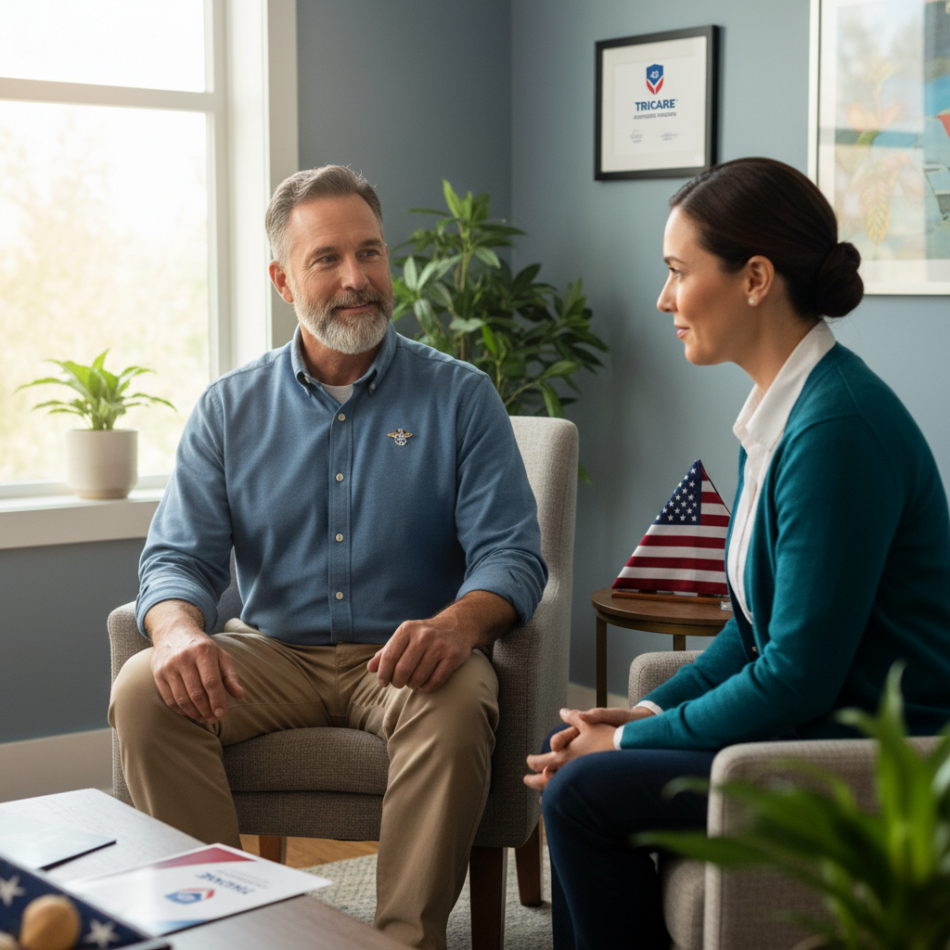
Centered Health accepts plans from Aetna, Blue Cross Blue Shield, Cigna, Magellan, TRICARE, and UnitedHealthcare. These are accepted plans, and Centered Health is not in-network with them, which is why checking benefits matters: it shows what your out-of-network coverage looks like. Commercial insurance is the norm. Government-funded plans are not accepted, with TRICARE as the exception for military families. Centered Health does not seek out cash-pay or private-pay admissions, and it does not offer pro bono care.
Federal law also helps. The Mental Health Parity and Addiction Equity Act generally means a health plan’s mental health and substance use benefits can’t come with tighter limits than its medical and surgical benefits. If your plan came through the marketplace, HealthCare.gov notes that mental health and substance use services are among the essential benefits those plans must cover.
Is Centered Health only for wealthy families? No. The homes are beautiful, including a beachside home and multi-acre estates, and the program is high-end by design. It serves families of many backgrounds. In one group therapy session, one teen’s parent had a high-profile career and another teen’s parent worked in a grocery store, and background made no difference in that room. The serene environments exist for a clinical reason: many people find it easier to engage in treatment in a place that feels calm and cared for, and sometimes changing the environment is part of changing the pattern.
The first steps are simple:
- Call and describe what you have noticed in your teen.
- Ask the team to help you check your insurance benefits.
- Talk through fit: what seems to be driving the behavior, what has been tried, and how your family will take part.
- If residential care is the right level, plan the admission together.
Questions parents ask before they make the call
These are the questions that come up most when families are deciding, answered as plainly as possible.
How do I know if my teen has trauma if nothing “big” happened?
Trauma depends on how events landed on your teen, not on how serious they sound. Several smaller hard things, like bullying, a loss, and a divorce, can add up. If you see lasting changes in sleep, mood, anger, or withdrawal, a professional look is worth it.
Will my teen be forced to talk about the worst thing that happened?
No. Safety and coping skills come first, and the pace is set for each teen. With some approaches, such as EMDR, a teen doesn’t have to describe every detail out loud.
What therapies are used in a psychiatric program for teens with trauma?
At Centered Health, trauma therapists use EMDR within a personalized plan that includes individual, group, family, and multifamily therapy. Medication management works alongside therapy on sleep, mood, and any substance use, so these pieces are treated together.
Is there a teen program in Culver City, CA?
Centered Health’s Culver City, CA, location serves adults 18 and up. Teens 12 to 17 are treated at Centered Health’s two dedicated adolescent residential homes. At discharge, the team arranges outpatient trauma care near your home.
Who is not a good fit for a residential teen program?
Because the homes are open settings, a teen with recent active violence toward others or a sex-offense history needs a locked facility. Centered Health tells families honestly and helps them find one. Children under 12 are referred to a child trauma specialist.
Does insurance cover this kind of program?
It depends on your plan. Centered Health accepts Aetna, Blue Cross Blue Shield, Cigna, Magellan, TRICARE, and UnitedHealthcare as out-of-network plans, and the team can help you check your benefits before you decide.
Do you have to be sure it is trauma before you call?
No. You only need to know that something has changed in your teen and that what you have tried so far isn’t enough.
Before you call, try one thing. Take five minutes and write down every hard thing your teen has lived through, including the ones you have been telling yourself “weren’t that bad.” Next to that, write the changes you have seen and roughly when each one started: the sleep, the anger, the friends who stopped coming around. Parents are often surprised when the two lists line up. That page can help the admissions team understand your teen faster than any single story can.
Then call Centered Health in Culver City, CA, and talk with the admissions team. Share what you have noticed in your teen, even if you are unsure it counts as trauma, and ask for help checking your benefits so you understand your coverage before you decide anything. The hardest part for many parents isn’t the admission. It’s the moment they stop arguing with themselves about whether it was “bad enough,” and that moment can be today.
Questions About Trauma Care for Your Teen Are Welcome
Wondering whether a psychiatric program is the right step for your teen can feel heavy, and it is normal to hesitate before reaching out. At Centered Health in Culver City, CA, our team offers personalized, evidence-based care shaped around what your teen has been through. Calling the office is a simple way to ask questions, talk through your concerns, and learn what a first step could look like for your family.
Individual experiences vary, and no treatment outcome is guaranteed.