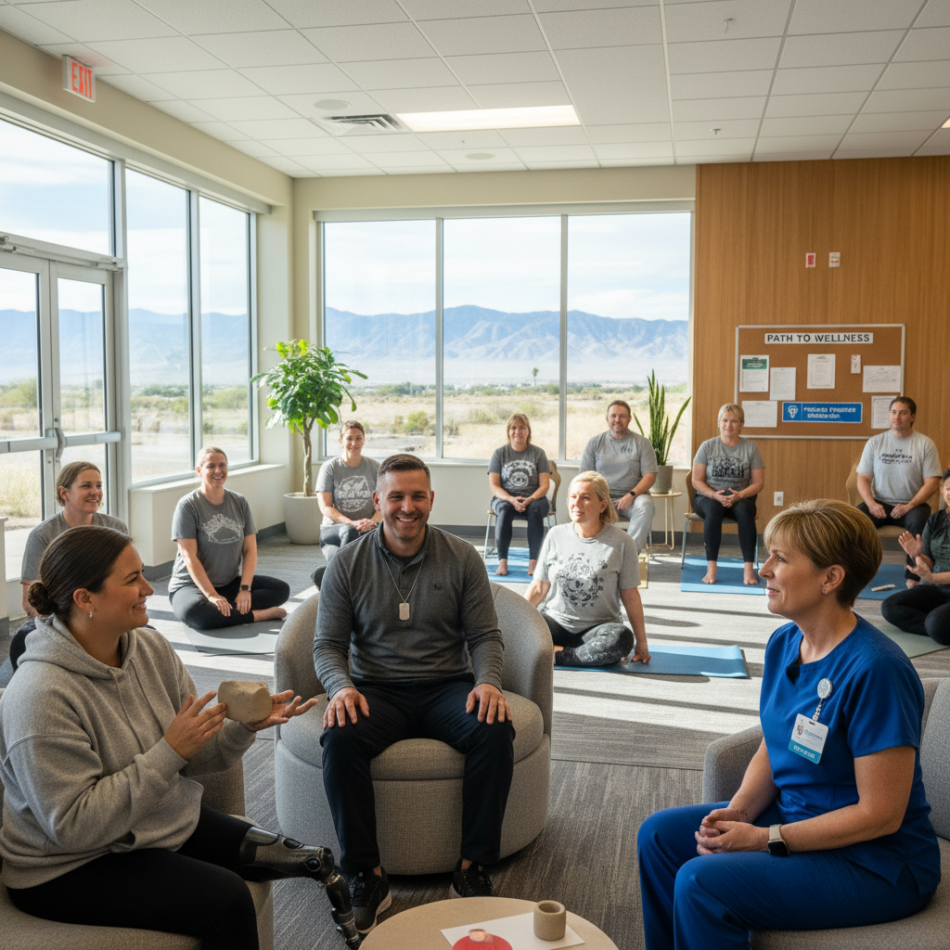
A residential program for teens with self-harm behaviors offers a structured, therapeutic environment where your child can receive 24-hour support, integrated therapy, and professional psychiatric oversight. When non-suicidal self-injury or other self-harm behaviors become a coping mechanism for your teen, you want a program that can stabilize emotional crises, teach healthier coping strategies, and address underlying mental health conditions.
These programs often function as a residential treatment center for teens and many accept insurance, easing financial concerns. In this article, you’ll learn how residential care supports academic continuity, why therapies like dialectical behavior therapy (DBT) are essential, and how to navigate insurance when choosing a teen mental health facility that accepts insurance. You’ll also see how residential treatment compares with inpatient hospitalization and what features to evaluate when selecting the right program for your child.
Recognizing self-harm signs
Understanding self-harm behaviors early can help you intervene before patterns become entrenched.
Common behaviors
Self-harm, or non-suicidal self-injury, may include:
- Superficial cutting or scratching of the skin
- Burning, hitting, or bruising oneself
- Hair pulling or interfering with healing wounds
- Overdosing on over-the-counter medications
Rather than attempts at suicide, these actions often serve as a way to release overwhelming emotional pain or tension [1]. Recognizing these behaviors as a coping mechanism is the first step toward seeking appropriate treatment.
Emotional triggers
Self-harm can stem from:
- Intense anxiety or panic attacks
- Persistent feelings of depression or emptiness
- Unresolved trauma or ongoing stressors
- Difficulty expressing emotions or low self-esteem
Diagnosis typically involves a thorough physical and psychological evaluation by a mental health professional experienced in treating self-injury, including assessment for linked conditions such as depression or personality disorders [2]. If you notice physical signs like unexplained scars or behavioral changes—such as wearing long sleeves in warm weather—reach out for help promptly.
If your teen needs immediate support for self-harm urges, encourage them to text CONNECT to 741741 for free, confidential, 24/7 help from trained volunteer counselors [1].
Exploring residential benefits
Choosing a residential program can offer essential stability and continuity of care during critical phases of recovery.
24/7 support
In residential settings, your child has access to:
- Continuous supervision by trained clinical staff
- Around-the-clock psychiatric oversight and medical monitoring
- Immediate crisis intervention when self-harm urges arise
- Safe, supervised living arrangements
This level of care reduces the risk of escalation and ensures that your teen is never left to cope alone.
Structured environment
A predictable daily schedule helps teens rebuild routines. Typical components include:
- Individual and group therapy sessions
- Skills training in emotion regulation and interpersonal effectiveness
- Recreational and experiential activities
- Designated times for meals, rest, and reflection
A structured framework fosters a sense of safety and encourages gradual responsibility.
Academic continuity
Many programs integrate education on-site or coordinate closely with your teen’s school. You can expect:
- Accredited on-campus classrooms or tutoring services
- Customized lesson plans aligned with state requirements
- Progress reports to keep you and your teen’s school informed
- Transition plans to support reintegration after discharge
Ensuring your child stays on track academically supports their confidence and eases the return to home and community settings. For details on balancing therapy and schooling, explore our teen residential program with academic support.
Understanding treatment approaches
Residential programs blend evidence-based therapies to address both self-harm behaviors and underlying issues.
Dialectical behavior therapy
Dialectical behavior therapy for adolescents (DBT-A) is designed to reduce self-injurious thoughts and behaviors by teaching skills in:
- Mindfulness, or non-judgmental awareness of the present
- Distress tolerance, for managing crisis moments safely
- Emotion regulation, to identify and change intense emotional responses
- Interpersonal effectiveness, to improve communication and relationships
DBT-A has been classified as the only well-established treatment for self-injurious thoughts and behaviors in youth, demonstrating efficacy in reducing non-suicidal self-injury and suicide attempts in randomized controlled trials [3]. If your child also struggles with suicidal thoughts, you may look into residential therapy for teens with suicidal thoughts.
Cognitive behavioral therapy
Cognitive behavioral therapy (CBT) helps teens:
- Identify negative or distorted thought patterns
- Challenge unhelpful beliefs linked to self-harm urges
- Develop healthier coping strategies and problem-solving skills
- Build self-confidence through gradual behavior changes
CBT can be tailored to individual or group formats, and research supports its role in interrupting self-injury cycles by enhancing emotional regulation [4].
Holistic and mindfulness therapies
Complementary approaches can reinforce clinical treatments:
- Guided meditation, yoga, or breathing exercises
- Art, music, or adventure therapies to foster emotional expression
- Journaling and reflective writing as safe outlets for thoughts
- Mind-body practices to reduce anxiety and improve self-awareness
Programs like Family First Adolescent Services integrate trauma-informed care with adventure therapy and ongoing self-esteem building activities to help teens discover new ways to manage distress [5].
Comparing care settings
Understanding the differences between hospitalization and residential care can help you make an informed choice.
Inpatient psychiatric hospitalization
Inpatient hospitals are designed for short-term crisis stabilization:
- Typical stay: 3–10 days
- Locked units and intensive monitoring
- Focus on immediate safety and medical stabilization
- Possible involuntary admission in high-risk cases
Residential treatment centers
Residential programs offer longer-term, voluntary care:
- Typical stay: 3 weeks to 90+ days
- Home-like environment without physical restraints
- Emphasis on skill-building, therapy integration, and daily living support
- Accredited on-site schooling or academic coordination
| Feature | Inpatient hospitalization | Residential treatment center |
|---|---|---|
| Typical stay | 3–10 days | 3 weeks to 90+ days |
| Environment | Locked units, intensive monitoring | Home-like, voluntary admission |
| Focus | Immediate safety and stabilization | Emotional regulation and skill-building |
| Physical restraints | May be used in crisis situations | Not used by staff |
| Therapy intensity | Crisis intervention and stabilization | Integrated therapy and daily living support |
| Academic services | Limited or absent | On-site schooling or school coordination |
Residential care allows teens to practice coping skills in real-life contexts under professional guidance, easing the transition back to home and community.
Evaluating program features
Not all residential programs are the same. Look for features that match your teen’s needs.
Trauma-informed care
If your child’s self-harm stems from past trauma, choose a program that:
- Uses trauma-focused modalities like EMDR or trauma-informed CBT
- Provides staff training on recognizing and responding to trauma triggers
- Creates a safe, predictable setting that minimizes re-traumatization
Family First Adolescent Services integrates trauma-informed care with evidence-based therapies tailored to adolescents, providing individualized treatment plans in a safe, family-style residence [5]. You can also explore specialized options in our residential treatment for teens with trauma or ptsd.
Family involvement
Family participation can improve outcomes by:
- Rebuilding trust and improving communication through family therapy
- Teaching caregivers strategies to support emotional regulation at home
- Offering multi-family skills training in DBT concepts
- Providing ongoing post-treatment support and check-ins
Research highlights family involvement as a core component of effective self-harm treatments in adolescents [3].
Academic support
A strong program ensures your teen stays engaged in learning:
- Accredited on-site classrooms or certified tutors
- Coordination with your teen’s home school for credit transfers
- Individual academic goals and progress monitoring
- Plans for reintegration into school after discharge
Academic support reduces stress about falling behind and reinforces a sense of normalcy.
Navigating insurance coverage
Insurance acceptance can make residential care more accessible for your family.
Insurance acceptance
Before you commit, confirm that the program:
- Is in-network with your insurer or offers out-of-network reimbursement
- Has dedicated staff to help with pre-authorization and claims
- Accepts common behavioral health benefits through major carriers
Look for a teen mental health facility that accepts insurance or a provider listed under residential care for teens that accepts insurance. Early verification helps avoid unexpected bills.
Cost considerations
Even with insurance, you may face:
- Deductibles and co-pays for room, board, and therapy
- Additional fees for special therapies or extracurricular activities
- Transportation and family visitation expenses
Ask about sliding-scale fees, flexible payment plans, or financial aid to ease the load.
Selecting the right program
A careful evaluation ensures the best fit for your child’s recovery journey.
Key questions to ask
- What licensure and credentials do clinical staff hold?
- Which therapy modalities are offered, and how are they tailored?
- How does the program manage self-harm crises on-site?
- What is the average length of stay, and how is progress measured?
- How are academics integrated, and who provides school services?
- What does aftercare look like, and how long does support continue?
- How are families involved during and after treatment?
- How does the facility handle insurance verification and billing?
Accreditation and reputation
Verify that the program:
- Holds accreditation from organizations like CARF or The Joint Commission
- Meets state licensing requirements for psychiatric or residential care
- Provides data on success rates, readmission rates, or outcomes
- Shares testimonials or referrals from other families
If you’re researching options, sites like residential treatment center for teens can be a good starting point for comparing credentials.
Planning post-treatment support
Strong aftercare is key to sustaining progress after discharge.
Aftercare services
A comprehensive plan may include:
- Outpatient therapy or partial hospitalization (PHP)
- DBT or CBT skills groups for ongoing practice
- Phone coaching or telehealth check-ins for crisis moments
- School-based counseling or peer support groups
Many residential programs arrange initial appointments and coordinate with community providers to ensure continuity.
Family involvement
Sustained family engagement helps teens apply new skills:
- Scheduled family therapy sessions to reinforce communication
- Caregiver training in emotion regulation strategies
- Support groups for parents to share experiences and resources
- Regular updates from clinicians on progress and challenges
You can learn more about continuing care options through our teen mental health recovery program.
By choosing a residential program that offers 24-hour support, integrated therapies like DBT and CBT, and coordinated academic services, you give your teen the best chance for lasting recovery. Take the time to vet programs carefully, verify insurance coverage, and plan for aftercare—these steps can make all the difference in helping your child build healthier coping skills and regain stability.