What is residential treatment
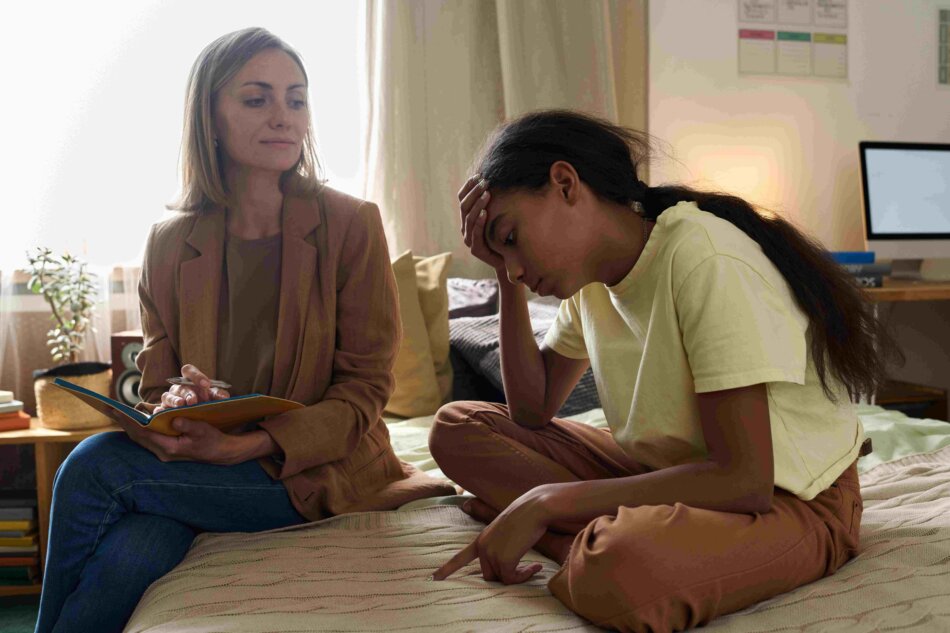
Residential treatment for teens with trauma or PTSD provides full-time structured care in a supervised, therapeutic environment. In this setting, your teen lives on-site at a residential treatment center for teens that accepts insurance and offers 24-hour clinical oversight, evidence-based therapies, and emotional stabilization support. Unlike outpatient services, residential care removes many of the everyday stressors and triggers teens face at home or school, allowing them to focus fully on healing.
From the moment of admission through discharge and beyond, your teen benefits from a multidisciplinary team that may include psychiatrists, psychologists, social workers, and certified therapists. This collaborative approach ensures consistent monitoring of mental health symptoms, medication management, and ongoing adjustment of treatment plans to match evolving needs. By immersing your teen in a safe, predictable routine, residential treatment lays a foundation for lasting recovery.
Why choose residential
Choosing residential treatment gives your family access to a comprehensive program designed to address complex trauma and PTSD symptoms. Key advantages include:
- 24-hour clinical oversight
Licensed professionals monitor medication, mood fluctuations, and safety concerns around the clock, reducing the risk of crisis events. - Structured therapeutic environment
Your teen follows a daily schedule of individual therapy, group sessions, skills training, academic instruction, and recreational activities. - Safe, supportive community
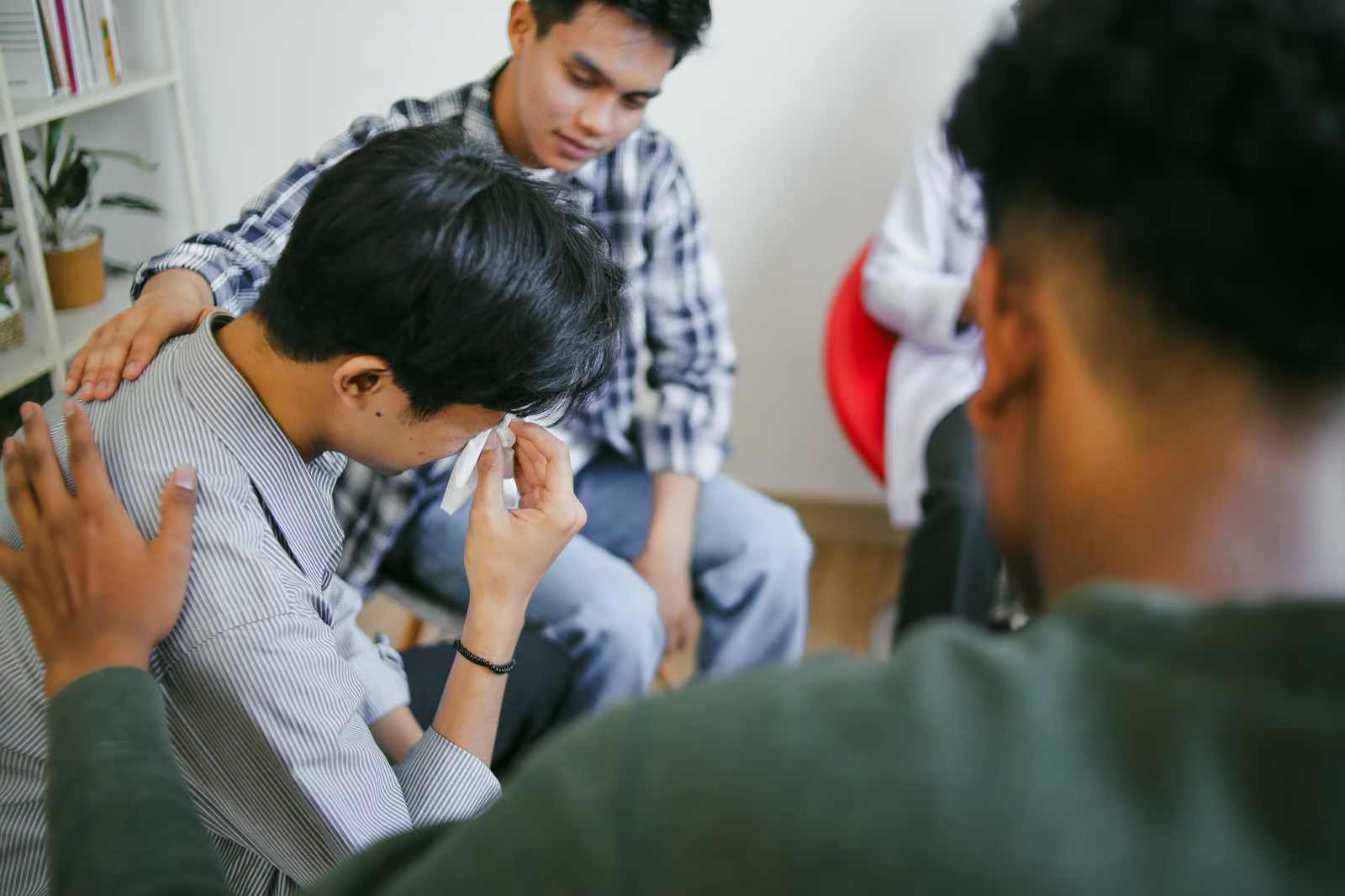
Living alongside peers facing similar challenges fosters mutual understanding, reduces isolation, and builds healthy coping networks. - Integrated academic support
Many programs provide classroom instruction or tutoring to maintain educational progress, helping teens reintegrate more smoothly into school life.
By choosing residential care, you ensure your teen has uninterrupted access to treatment modalities tailored for trauma and PTSD. This all-in approach often leads to faster symptom reduction and greater confidence in long-term recovery.
Understanding trauma and PTSD
Trauma in adolescence can arise from a range of experiences, including abuse, accidents, violence, or the death of a loved one. When trauma responses persist and begin interfering with daily function, your teen may meet the criteria for post-traumatic stress disorder (PTSD). Common signs include:
- Intrusive memories or flashbacks of the traumatic event
- Nightmares or sleep disturbances
- Hypervigilance or exaggerated startle responses
- Avoidance of reminders or triggers
- Intense guilt or shame
- Emotional numbness or detachment
Left untreated, PTSD symptoms can contribute to anxiety, depression, substance misuse, self-harm, or suicidal thoughts. In a residential setting, clinical teams use standardized assessments to track symptom severity and progress. For example, structured interviews and validated tools guide ongoing adjustments to your teen’s care plan.
Core treatment modalities
Residential programs rely on trauma-focused therapies that research shows are most effective for adolescents. Your teen’s individualized plan may include:
- Trauma-focused cognitive behavioral therapy (TF-CBT)
A manualized approach delivered in 12–16 weekly sessions to systematically address trauma-related thoughts and behaviors [1]. - Eye movement desensitization and reprocessing (EMDR)
Uses bilateral stimulation to help process traumatic memories and reduce long-term negative effects [2]. - Dialectical behavior therapy (DBT)
Focuses on building emotion regulation, distress tolerance, and interpersonal effectiveness skills [3]. - Medication management
Psychiatrists may prescribe SSRIs or SNRIs such as fluoxetine or sertraline to alleviate PTSD symptoms, always in conjunction with psychotherapy [1].
Comparison of key therapies
| Therapy | Sessions | Description |
|---|---|---|
| TF-CBT | 12–16 weekly sessions | Manualized protocol targeting trauma-related thoughts and avoidance behaviors [1] |
| EMDR | Varies | Evidence-based trauma reprocessing method that often works more quickly than CBT [2] |
| DBT | Ongoing skills training | Teaches coping strategies, emotion regulation, and mindfulness in group and individual formats [3] |
By combining these modalities, residential programs create a multi-layered approach that addresses both the psychological and physiological aspects of trauma and PTSD.
Additional therapeutic supports
Beyond core therapies, residential care often integrates experiential and family-centered interventions to reinforce healing.
Experiential therapies
- Art therapy or music therapy helps teens express emotions nonverbally.
- Equine or adventure therapy fosters trust, self-confidence, and resilience.
- Recreational activities like team sports promote social skills and healthy stress relief.
These hands-on approaches complement talk therapies by engaging different parts of the brain and encouraging new ways to process emotions.
Family therapy and education
Family involvement is a cornerstone of adolescent PTSD treatment. Programs like those at Rogers Behavioral Health emphasize:
- Trauma-informed family sessions to improve communication.
- Education on PTSD symptoms and coping strategies for caregivers.
- Structured planning for a smooth transition home.
When families learn to recognize triggers, reinforce coping skills, and maintain a stable environment, teens experience better outcomes and reduced relapse risk.
Aftercare planning
Successful residential programs develop a detailed aftercare plan before discharge. This may include:
- Referral to an outpatient teen therapy program for emotional stabilization
- Coordination with school counselors or tutors to continue academic support
- Regular family check-ins with therapists to maintain progress
- Connection to community resources or support groups
A robust aftercare strategy ensures your teen does not lose momentum once they return home or rejoin school.
Choosing a residential program
Selecting the right facility involves researching factors that align with your teen’s needs and your family’s logistical considerations.
Insurance and cost coverage
Find a residential care for teens that accepts insurance. Ask about:
- In-network vs out-of-network benefits
- Prior authorization requirements
- Copays, deductibles, and out-of-pocket maximums
A transparent billing process prevents unexpected financial strain.
Staff qualifications
Your teen should work with:
- Licensed psychologists, clinical social workers, or marriage and family therapists
- Psychiatrists experienced in adolescent psychopharmacology
- Therapists certified in trauma-focused therapies such as TF-CBT, EMDR, or DBT
Programs like Compass Behavioral Health require clinicians to complete specialized training and certification, ensuring high-quality care.
Staff-to-client ratio and safety
Ideal programs maintain a low staff-to-teen ratio (often 3:1 or lower) to guarantee attentive supervision. Confirm safety protocols such as:
- 24-hour nursing checks
- Clear procedures for crisis intervention
- Secure campus design and regular risk assessments
Location and campus features
Consider whether a program’s setting complements your teen’s recovery. A serene campus may reduce stimulation, while proximity to home can ease family visits. Ask about:
- On-site academic classrooms or partnerships with local schools
- Recreational facilities and outdoor spaces
- Transportation options for routine medical appointments or family weekends
Preparing your teen
Proper preparation helps your family and your teen adjust to residential life.
Pre-admission assessment
Most programs conduct a thorough evaluation that covers:
- Psychiatric and substance use history
- Medical exams and lab work
- Baseline assessments for mood, behavior, and functioning
This assessment informs a tailored treatment plan from day one.
Packing and logistics
Provide your teen with:
- Comfortable, modest clothing suitable for group activities
- Personal items like medications, toiletries, and a few favorite books or photos
- Completed paperwork, including insurance cards and consents
Programs often supply a checklist so nothing essential is overlooked.
Emotional preparation
Talk openly about:
- Daily schedules and expected routines
- Therapeutic goals and how progress is measured
- Communication options—phone calls, video chats, and in-person family days
Framing residential care as an opportunity for growth reduces anxiety and builds commitment.
Life after residential care
Transitioning home is a critical stage that demands ongoing support to sustain gains.
Step-down programs
Some teens benefit from partial hospitalization or intensive outpatient programs before fully returning to school and community life. These step-down options maintain therapeutic intensity while increasing independence.
Outpatient follow-up
Regular individual or group therapy sessions help reinforce coping skills. Your teen’s care team may coordinate with a local provider to ensure consistency.
School reintegration
Effective programs collaborate with schools to:
- Develop 504 plans or individualized education programs (IEPs)
- Offer tutoring or on-site academic support [4]
- Monitor social and behavioral adaptation
This structured reintegration promotes academic success and peer relationships.
Conclusion
Residential treatment for teens with trauma or PTSD offers a comprehensive framework that addresses the full spectrum of your teen’s needs. From evidence-based core therapies like TF-CBT and EMDR to experiential activities and family-centered care, these programs deliver 24-hour support within a safe, structured environment. By partnering with qualified clinicians, verifying insurance coverage, and planning a strong aftercare strategy, you maximize your teen’s chances for long-term healing and resilience.