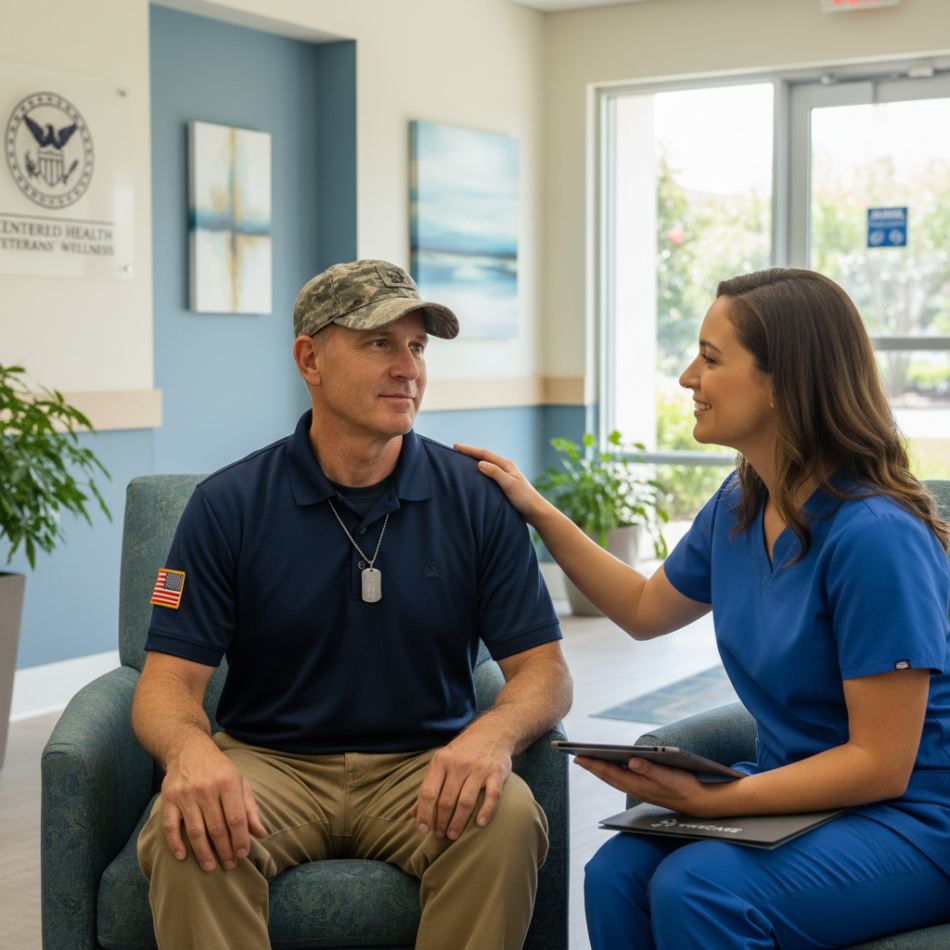
How TRICARE supports PTSD treatment
If you live with service-related trauma, you need to know that a TRICARE PTSD treatment program is designed to remove as many barriers to care as possible. TRICARE provides comprehensive coverage for PTSD diagnosis and treatment, including all evidence-based treatment options, with no annual visit limits for outpatient mental health care as of 2026 [1]. This gives you room to heal at your own pace, instead of worrying about running out of sessions.
PTSD can develop after combat exposure, military sexual trauma, serious accidents, assaults, or natural disasters, and it can severely affect your daily life [2]. Symptoms often begin within three months of the event but sometimes show up years later. To receive a diagnosis, your symptoms must last more than a month and significantly disrupt how you function. Depression, anxiety, and substance use frequently show up alongside PTSD, which is why integrated care is so important for military and veteran populations [3].
Although PTSD cannot be cured in a simple or quick way, it can be treated and managed effectively with the right combination of therapies and ongoing support, and TRICARE covers these mental health services [2]. When you combine this coverage with a trauma program that understands military culture, you have a powerful foundation for recovery.
Recognizing military‑related PTSD symptoms
Understanding what you are experiencing is often the first step toward trusting treatment. PTSD can look different from one person to another, but certain patterns are especially common among combat veterans, active duty personnel, and military families.
You might notice intrusive memories, flashbacks, or nightmares about deployments, missions, or traumatic incidents. You may find that you avoid reminders of service, specific locations, people, news, or conversations that bring up military experiences. For some, even driving under overpasses, hearing helicopters, or smelling certain fuels can be triggering.
Changes in mood and thinking are also common. You might feel detached from family, lose interest in activities you once enjoyed, or struggle with guilt and shame about decisions made in theater. Many veterans describe feeling constantly on guard, with difficulty sleeping, irritability, or being easily startled. These symptoms can erode relationships, careers, and your sense of self over time.
Family members can experience their own form of trauma, especially during repeated deployments. Spouses of deployed service members report similar types and magnitudes of mental health problems, including PTSD, and they often seek mental health services more frequently than service members themselves [4]. When a program understands this family impact, your loved ones can receive support alongside you.
Why specialized military trauma care matters
PTSD in the military community often involves layers of injuries and experiences, not a single event. Combat exposure, loss of fellow service members, moral injuries, and military sexual trauma can overlap. Co-occurring conditions such as major depression and substance use disorders are especially common among soldiers, Marines, reserves, women, and Hispanic personnel, and they can complicate PTSD treatment if they are not addressed together [4].
Female active duty service members are at particularly high risk for PTSD related to military sexual assault. Reported sexual harassment rates range from 55 to 99 percent, with sexual assault rates between 4.2 and 7.3 percent, highlighting the need for gender specific and trauma informed care that feels safe, respectful, and confidential [4]. When you seek help, you deserve a setting that understands these realities and never minimizes them.
Specialized programs that focus on military trauma:
- Speak your language and understand rank, unit dynamics, and operational tempo
- Recognize the impact of repeated deployments and reintegration stress
- Address moral and ethical injuries that do not fit simple clinical labels
- Integrate substance use treatment when alcohol or drugs have become coping tools
A military trauma treatment center tricare that is built around these realities will not ask you to educate your provider about basic aspects of service. Instead, you can focus on your healing.
Options within a TRICARE PTSD treatment program
TRICARE is structured to meet you where you are, whether you are just beginning to reach out or you need intensive support. In 2008, TRICARE served 9.4 million beneficiaries, including active duty personnel, their families, and retirees, which means the system is designed around large numbers of potential PTSD cases across the military community [4]. That scale has led to a wide range of treatment levels.
Outpatient therapy gives you weekly or twice weekly sessions while you continue working or attending school. TRICARE supports evidence based psychotherapy for PTSD, including trauma focused cognitive behavioral therapies, exposure based approaches, and processing therapies, and there are no annual visit limits for outpatient mental health care as of 2026 [1]. A tricare ptsd recovery program can often start right here.
If you need more structure, Intensive Outpatient Programs (IOPs) and Partial Hospitalization Programs (PHPs) add several days per week of group and individual therapy. Intensive Outpatient Programs require authorization after an initial assessment, and your treatment team can help navigate that process [1]. These levels are useful when symptoms are severe, but you can still maintain some daily responsibilities.
For those who need a full reset, inpatient and residential PTSD treatment programs provide 24 hour care in a safe, structured setting. These higher levels of care do require prior authorization, and your providers must demonstrate medical necessity for admission [1]. A focused ptsd residential treatment tricare plan can be life changing when you are in crisis or when outpatient work has not been enough.
Evidence‑based therapies you can expect
Your trust in a TRICARE PTSD treatment program should be based on more than promises. It should rest on therapies that have been thoroughly studied and proven effective for trauma and co-occurring conditions. TRICARE explicitly covers these evidence based options and also offers digital tools to reinforce them, such as the CPT Coach app for Cognitive Processing Therapy and mindfulness based mobile applications [2].
Core treatments often include:
- Cognitive Processing Therapy (CPT), which helps you examine and reframe thoughts about the trauma, yourself, and the world
- Prolonged Exposure (PE), which gradually and safely helps you face memories and situations you have been avoiding
- Trauma focused Cognitive Behavioral Therapy (TF CBT), which addresses beliefs, behaviors, and physical responses related to trauma
- Eye Movement Desensitization and Reprocessing (EMDR), which uses bilateral stimulation to help your brain reprocess traumatic memories
Because depression, anxiety, and substance use frequently co-occur with PTSD, programs usually integrate additional modalities such as relapse prevention therapy, motivational interviewing, and skills based group work to support long term change [3]. When you enroll in a tricare covered ptsd therapy track, your team builds a plan that targets all of these layers instead of treating symptoms in isolation.
Medication management is another tool that may be part of your care. While medication alone is not considered sufficient treatment for PTSD, it can reduce symptoms like insomnia, depression, and anxiety enough that you can fully engage with therapy. TRICARE mental health benefits typically cover psychiatric evaluation and ongoing medication management when clinically indicated.
PTSD cannot be cured in a single step, but it can be managed effectively over time with consistent, evidence based care supported by your TRICARE benefits.
How TRICARE West lowers barriers to care
Cost, logistics, and fear of career impact stop many service members and veterans from getting help. TRICARE West and TriWest are structured to reduce those barriers so you can focus on healing.
Active duty service members can self refer for the first eight mental health visits related to PTSD treatment without prior authorization, which makes it easier to take that initial step [1]. If you have TRICARE Prime, your mental health visits carry a zero dollar copay as an active duty member, and your family members also have zero dollar copays with a referral [1]. This means that cost should not be the reason you avoid treatment.
TRICARE West also maintains a robust network of mental health providers who are experienced in military related PTSD. In addition, Military OneSource offers 12 free non medical counseling sessions to family members, giving your loved ones another safe space to process what they are going through [1]. When your family understands your treatment and has support of their own, your household becomes a stronger foundation for your recovery.
If you are looking for a ptsd treatment center that accepts tricare west, you can work with your primary care manager, behavioral health clinic, or a trusted program to confirm network status, discuss authorizations, and understand any pre admission requirements.
Why veterans trust Centered Health with TRICARE
When you are choosing a TRICARE approved PTSD treatment option, you are not just picking a location. You are trusting a team with your story, your safety, and your future. Veterans and military families tend to look for specific qualities before they commit to care.
You want a tricare approved ptsd treatment facility that treats you with respect from the first contact. That includes clear explanations of your benefits, straight answers about costs and authorizations, and realistic discussions about what treatment involves. It also means staff who understand that trust has to be earned, especially if you have spent years keeping your experiences to yourself.
Centered Health focuses on culturally competent, military aware care. In practice, that means your team takes the time to understand your branch, your role, deployments, and specific incidents that stayed with you. It also means sensitivity to how chain of command, stigma, and career concerns may shape the way you talk about symptoms. When you attend a military trauma therapy tricare west track, you are surrounded by peers and clinicians who recognize what you have carried.
Integrated care is another reason veterans place their trust here. Co-occurring substance use, depression, and anxiety are addressed directly within a coordinated plan rather than sent to separate silos. Whether you pursue veteran ptsd treatment tricare in an outpatient, intensive outpatient, or residential setting, the focus remains on all of you, not just a single diagnosis.
What care looks like at different levels
The right level of care depends on symptom severity, safety concerns, and how much structure you need. With TRICARE West, you have access to a full continuum through programs like military ptsd rehab tricare west and related services.
In outpatient care, you typically attend individual sessions once or twice per week, sometimes combined with a group focused on skills, relapse prevention, or trauma processing. This option is often enough if you are functioning relatively well in daily life but want to stop avoidance, nightmares, or emotional numbing from dictating your future.
Intensive outpatient and partial hospitalization programs give you several hours of therapy on multiple days per week. You receive individual sessions, group therapy, psychoeducation, and sometimes family work. These levels are a strong fit when your symptoms are interfering with work or relationships, but you can still maintain basic daily structure.
Residential and inpatient programs provide an immersive environment when you need constant support. In a combat ptsd treatment tricare west or veterans trauma rehab tricare track, you live on site for a set period, engage in daily therapy, and work on rebuilding routines around sleep, physical health, and emotional regulation. TRICARE requires prior authorization for these higher levels, and staff coordinate closely with case managers to document medical necessity [1].
At every level, you should expect structured assessments, clear treatment goals, and regular check ins about your progress. A tricare west trauma treatment program will typically include discharge planning from day one, so you have a step down plan and resources ready before you complete the program.
Support for families and loved ones
PTSD and trauma do not affect only the person who experienced the event. They ripple through marriages, parenting, finances, and extended family relationships. Since spouses of deployed service members often experience similar mental health challenges and seek services more frequently, supporting families directly is essential [4].
Many TRICARE covered programs invite partners and close family into specific parts of treatment, such as psychoeducation sessions, couple or family therapy, and discharge planning. Through ptsd counseling covered by tricare, your loved ones can learn how PTSD works, what helps, and what unintentionally reinforces symptoms.
Military OneSource supplements this with 12 free non medical counseling sessions for family members, which can address communication, stress, parenting, and adjustment concerns [1]. When your support network understands that PTSD is not a personal failing but an injury that can be treated, it becomes easier to ask for what you need and to rebuild trust at home.
If your spouse or partner wants to explore veterans trauma therapy tricare insurance options or locate a tricare west trauma therapy clinic for themselves, treatment providers can usually help them navigate those benefits as well.
Taking the next step with confidence
Trusting a TRICARE PTSD treatment program means trusting that you will be heard, respected, and offered care that is grounded in science and tailored to military life. The Defense Health Agency, through the Military Health System and TRICARE, provides PTSD care and support to eligible beneficiaries to ensure coverage and access to psychological health resources for military personnel and their families [2]. You are not an exception to that mission.
If you are ready to move forward, you can:
- Reach out to a tricare west trauma treatment program to verify benefits and discuss care levels
- Ask about specific ptsd therapy covered by tricare west, including CPT, PE, EMDR, and integrated substance use care
- Explore a focused trauma therapy program tricare west that aligns with your history, identity, and goals
You have already carried more than most people will ever understand. With TRICARE coverage and a dedicated, military informed trauma program, you do not have to keep carrying it alone.