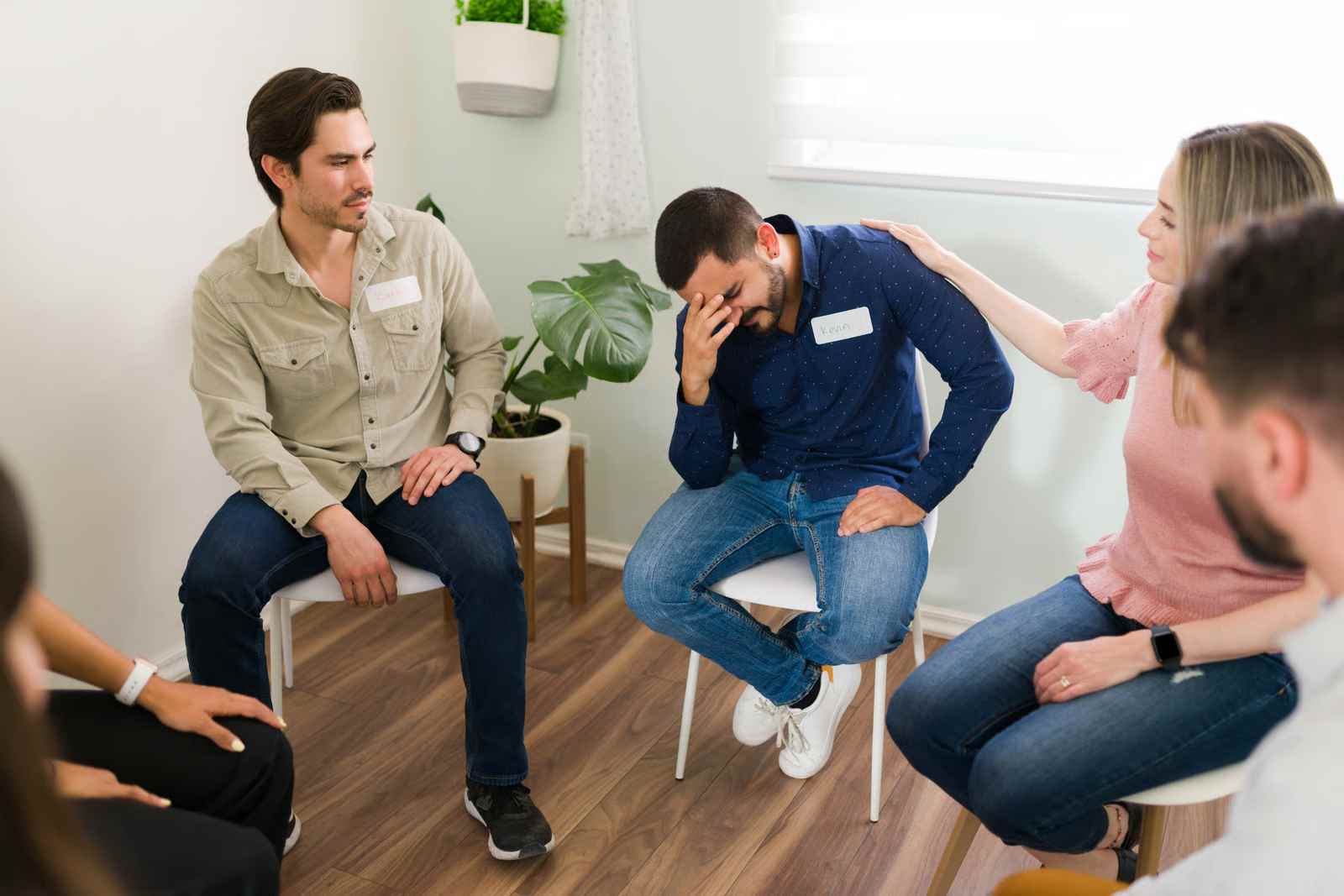
Understand outpatient counseling
If you’re exploring outpatient counseling for trauma and adjustment, you’re looking for a way to continue healing without returning to an inpatient setting. Outpatient counseling for trauma and adjustment offers flexible therapy sessions that fit into your daily routine, so you can apply new coping strategies in real time. Whether you’ve completed residential treatment, a partial hospitalization program (PHP) or an intensive outpatient program (IOP), this level of care helps you sustain progress and prevent relapse.
In outpatient settings, you’ll meet with licensed therapists and mental health professionals who specialize in trauma, PTSD and adjustment disorders. These clinicians use evidence-based therapies to help you process traumatic memories, manage triggers and rebuild your sense of safety. You’ll attend scheduled sessions and then return home, work or school—maintaining your responsibilities while focusing on recovery.
Explore outpatient care options
Outpatient counseling for trauma and adjustment comes in several formats, each offering a different intensity of support. You can choose the option that best matches your clinical needs, schedule and recovery goals.
| Program type | Frequency | Focus |
|---|---|---|
| Standard outpatient therapy | 1–2 sessions per week | Mild to moderate trauma or adjustment symptoms |
| Intensive outpatient program (IOP) | 3–5 sessions per week | Structured therapy for moderate to severe symptoms |
| Partial hospitalization program (PHP) | Full-day therapy, 5 days | Intensive support without an overnight stay |
All of these options deliver outpatient mental health treatment for adults tailored to trauma and adjustment issues [1]. You’ll work on emotional regulation, coping skills and relapse prevention while remaining in your home environment.
Standard outpatient therapy
In standard outpatient therapy you typically meet with a therapist once or twice a week. Sessions may include individual counseling, couples therapy or family therapy. You’ll learn coping strategies, build resilience and discuss life stressors that trigger trauma responses. This level of care suits you if you have mild to moderate symptoms and a stable support system.
Intensive outpatient programs
An IOP offers more structure than weekly therapy. You’ll attend multiple group and individual sessions each week, focusing on trauma processing, peer support and life-skills training. IOP helps you bridge the gap between inpatient or residential care and full independence, delivering extra accountability and therapeutic intensity without requiring an overnight stay [1].
Partial hospitalization programs
PHP provides the highest level of outpatient support. You’ll participate in full-day therapy, educational workshops and coping-skills groups five days per week. PHP is ideal if you need intensive stabilization but can manage living at home. It prepares you for step-down care and aftercare for adults by gradually reducing hours as you improve.
Review evidence-based therapies
Outpatient counseling for trauma and adjustment relies on proven therapeutic approaches. Your treatment plan may incorporate one or more of these modalities to address trauma symptoms, mood swings and maladaptive behaviors.
Cognitive behavioral therapy
Cognitive behavioral therapy (CBT) helps you identify and challenge negative thought patterns that fuel anxiety, depression or PTSD symptoms. In outpatient settings, CBT is often delivered over 12 to 16 sessions, teaching you practical tools to reframe unhelpful beliefs and manage triggers [2].
Benefits of CBT:
- Encourages self-reflection and insight
- Teaches coping strategies for flashbacks and triggers
- Reduces symptom severity and relapse risk
Dialectical behavior therapy
Dialectical behavior therapy (DBT) combines CBT techniques with mindfulness to help you regulate intense emotions and improve interpersonal relationships. DBT skills—such as distress tolerance and emotion regulation—are especially useful if you experience mood instability after trauma [2].
Eye movement desensitization and reprocessing
EMDR uses guided eye movements to help you process and reduce the emotional intensity of traumatic memories. This outpatient therapy is effective for PTSD patients who may struggle to discuss their trauma in detail, offering a somatic pathway to healing [2].
Trauma-focused cognitive behavioral therapy
Trauma-focused CBT (TF-CBT) is tailored for children, adolescents and adults who have experienced trauma. TF-CBT integrates trauma-sensitive techniques with traditional CBT, often involving caregivers to support young clients through sessions [2].
Alternative therapeutic approaches
In addition to core modalities, many outpatient programs offer complementary therapies:
- Somatic experiencing to release tension stored in your body [2]
- Trauma-sensitive yoga and physical exercise as part of intensive six-day programs, which yielded significant PTSD symptom reduction in a Dutch study [3]
- Art and music therapy for expressive healing
- Hypnotherapy and narrative therapy for insight and integration
These options let you choose a holistic approach that feels most effective for your needs.
Assess program features
When evaluating outpatient counseling for trauma and adjustment, consider features that support your daily life, clinical goals and long-term recovery.
Flexibility and real-life practice
One of outpatient care’s biggest advantages is scheduling flexibility. You can attend sessions around work, school or family responsibilities, then immediately apply new coping skills to real-world situations. This continuity helps reinforce learning and ensures you’re building resilience in the environments where challenges occur.
Peer support and group counseling
Sharing experiences with others who understand trauma can reduce isolation and stigma. Outpatient support groups, led by certified professionals, create safe spaces for you to exchange encouragement, practice social skills and reinforce new strategies [1]. Peer and alumni connections also strengthen accountability and foster a sense of belonging.
Dual diagnosis treatment
If you’re coping with co-occurring substance use disorders, look for programs offering dual diagnosis support. Integrating trauma counseling and addiction treatment in outpatient settings increases your chance of long-term recovery by addressing both issues simultaneously [4].
Consider insurance and costs
Finances and insurance coverage can influence your choice of outpatient counseling. Understanding your benefits and potential costs helps you plan for sustained care.
Insurance coverage options
Many insurance plans cover outpatient counseling for trauma and adjustment, including CPT codes for individual therapy, group sessions and psychiatric evaluations. To confirm coverage:
- Contact your insurer for details about mental health benefits
- Verify in-network providers to minimize out-of-pocket expenses
- Ask about any preauthorization requirements
You can also explore outpatient therapy that accepts insurance to find covered practitioners in your area.
Managing out-of-pocket costs
If you have a high deductible or limited coverage, discuss sliding-scale fees or payment plans with your provider. Some clinics offer reduced rates based on income. Additionally, nonprofit organizations and community mental health centers may provide low-cost or free outpatient services.
Choose the right program
Selecting the best outpatient counseling for trauma and adjustment involves matching clinical offerings with your personal preferences and recovery stage.
Accreditation and credentials
Look for programs accredited by recognized bodies, such as the Joint Commission or CARF. Ensure therapists are licensed in their specialties—clinical social workers, psychologists or psychiatrists trained in trauma treatment.
Personalizing treatment plans
A quality outpatient program will conduct comprehensive assessments to tailor therapy to your history, symptom severity and lifestyle. You may work with a multidisciplinary team that includes psychiatrists for medication management, therapists for individual and group work, and case managers for care coordination.
Aftercare and alumni support
Long-term recovery often depends on ongoing connections. Choose programs offering alumni mental health support, peer mentorship and aftercare therapy for long-term recovery. These resources help you stay engaged, share progress and access help if you face setbacks.
Plan for long-term recovery
Outpatient counseling for trauma and adjustment is just one part of a sustained recovery journey. Planning ahead ensures you maintain gains and continue growing.
Relapse prevention strategies
Work with your therapist to develop a relapse prevention plan. This may include:
- Identifying high-risk situations and triggers
- Establishing coping skills and grounding techniques
- Scheduling regular check-ins or booster sessions
See our guide on relapse prevention and recovery support for more tips.
Daily skill integration
Practice therapy techniques in your everyday life. Use breathing exercises during stressful moments, journal about triggers, and apply cognitive reframing to negative thoughts. The more you integrate these skills, the more automatic and effective they become.
Maintaining peer connections
Staying connected to support groups and alumni networks can prevent isolation. Attend regular meetings, participate in online forums or engage with a sponsor or mentor. Peer and alumni mental health programs give you encouragement and accountability when challenges arise.
Ongoing psychiatric care
If you require medication or psychiatric evaluation, set up follow-up appointments before you complete formal treatment. Regular psychiatric care helps monitor medication efficacy, adjust dosages and address emerging mental health needs. Explore options for ongoing psychiatric care and therapy support to keep your treatment seamless.
By understanding these key elements—types of outpatient care, evidence-based therapies, program features, financial considerations and long-term planning—you can choose the right outpatient counseling for trauma and adjustment. This informed approach empowers you to sustain healing, prevent relapse and integrate new skills into daily life, ensuring you continue on a path toward resilience and well-being.