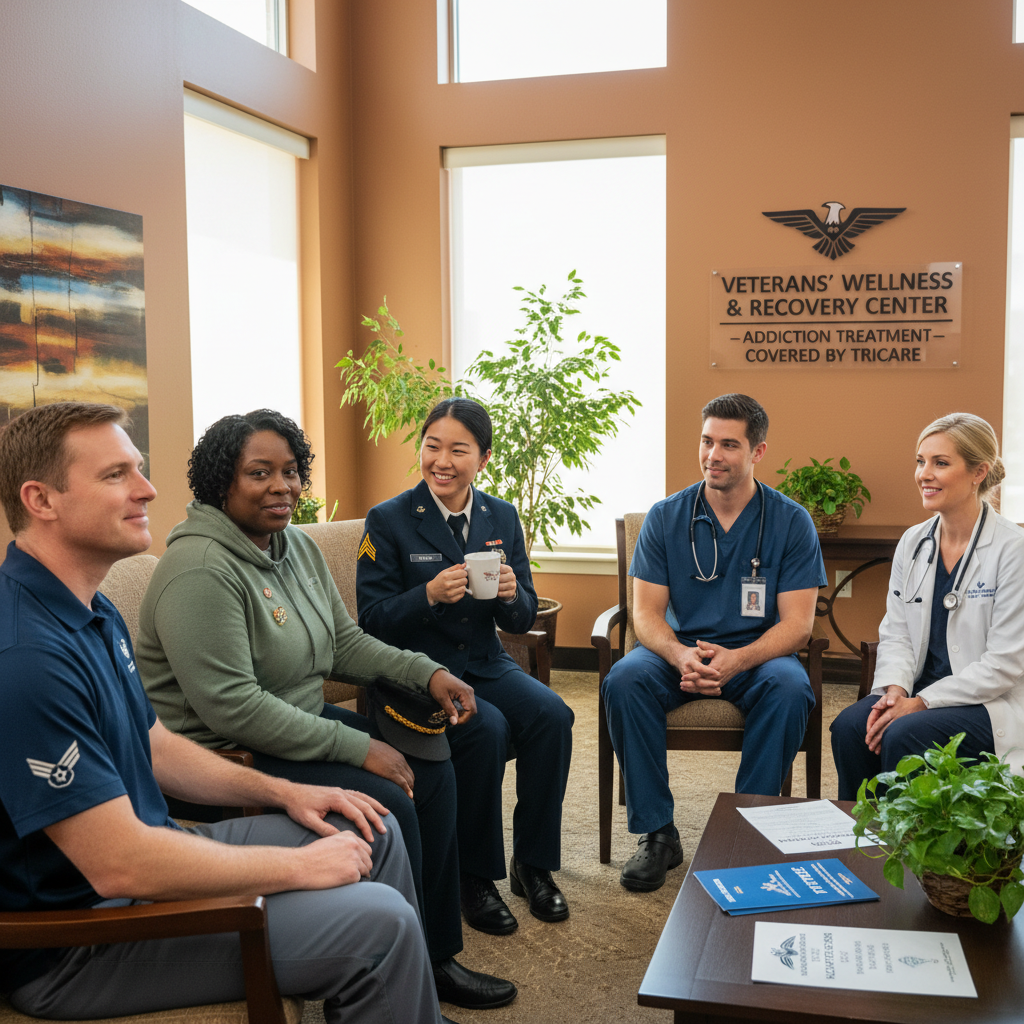
Understanding TRICARE covered addiction treatment
Finding a tricare covered addiction treatment center that truly meets your needs as a service member or veteran can feel overwhelming. You may be balancing symptoms of PTSD, chronic pain, or depression while trying to manage work, family, and your military responsibilities or transition to civilian life. Understanding what TRICARE covers and what actually makes a treatment center effective helps you choose care that supports real, long term recovery.
TRICARE covers substance abuse treatment when it is medically or psychologically necessary, according to the Defense Health Agency’s guidance updated on April 2, 2024 [1]. If you have TRICARE For Life and live in the United States or U.S. territories, you also need to follow Medicare’s rules for substance use treatment coverage [1].
When you look for addiction treatment that accepts TRICARE West, it helps to focus on two questions:
- Does this program actually understand military culture and the impact of service.
- Does this center use evidence based treatment that TRICARE is likely to recognize as medically necessary.
The sections below walk through the features that matter most, why trauma informed care is critical for veterans, and how a TRICARE covered program like Centered Health can support your recovery.
How TRICARE coverage for addiction treatment works
Before you commit to a program, you need a clear picture of how TRICARE coverage applies to addiction treatment. This helps you avoid surprise costs and gives you confidence that you can stay in treatment long enough to heal.
What TRICARE generally covers
TRICARE typically covers a range of substance use disorder services when your care is considered medically or psychologically necessary. This can include:
- Medical detox in a supervised setting
- Inpatient or residential rehab
- Partial hospitalization programs
- Intensive outpatient programs
- Standard outpatient counseling and medication management
For many military members and veterans, a combination of detox, structured rehab, and ongoing therapy offers the best chance at lasting recovery. Programs like a tricare detox and rehab program are designed to provide that full continuum of care.
If you use TRICARE For Life and live in the United States or a U.S. territory, your substance use treatment also needs to meet Medicare’s coverage rules [1]. In practice, that means your care must be delivered by qualified providers using recognized treatment approaches.
Why medical necessity matters
The term “medically or psychologically necessary” is important. TRICARE looks for:
- A clear diagnosis of a substance use disorder
- Documentation that your symptoms significantly affect your health, safety, or functioning
- Use of established, evidence based treatments
- A plan that targets both substance use and co occurring mental health issues
Effective centers know how to document your condition and treatment clearly so that TRICARE can see why your care qualifies. If you are exploring a tricare covered substance abuse program, ask specific questions about how they coordinate with TRICARE and handle prior authorizations or referrals.
Why veterans and active duty members seek treatment
Your experience as a service member or veteran is different from civilian life in ways that directly affect substance use and mental health. A tricare covered addiction treatment center is most effective when it understands and respects those differences.
The link between trauma and substance use
Many veterans and active duty members live with the effects of trauma. This may come from combat exposure, military sexual trauma, serious accidents, or prolonged high stress deployments. Substance use can begin as a way to:
- Numb intrusive memories or nightmares
- Fall asleep more easily
- Manage chronic pain
- Cope with grief, guilt, or survivor’s guilt
Over time, these coping strategies can become a substance use disorder. If the trauma is not addressed, simply removing the alcohol or drugs often leaves you feeling worse, not better. That is why trauma informed care is essential in any military addiction treatment tricare program.
Cultural pressures and stigma
Military culture often values strength, self reliance, and emotional control. These values can serve you well in many situations, but they can also create pressure to “push through” or hide what you are going through. You may worry that asking for help will:
- Damage your career
- Disappoint your family or unit
- Confirm negative stereotypes about mental health
A center that works regularly with TRICARE West beneficiaries understands these pressures. Staff know how to talk with you about confidentiality, duty status, and the realities of getting care while serving or after separation. In a setting focused on military substance abuse rehab tricare, you connect with peers who understand the same culture and expectations.
Core elements of an effective TRICARE covered treatment center
Not all programs are alike. To find an effective tricare covered addiction treatment center, it helps to look beyond marketing language and focus on concrete features that support real change.
Evidence based therapies
Effective rehab for veterans and active duty members uses therapies that research has shown to work. These methods are also more likely to be recognized by TRICARE as medically necessary. Key approaches include:
- Cognitive behavioral therapy to help you identify and change thought patterns and behaviors that keep you stuck in the cycle of use
- Trauma focused therapies, such as EMDR or specific forms of CBT, to address PTSD and trauma related symptoms
- Motivational interviewing to strengthen your readiness for change and keep you engaged in treatment
- Medication assisted treatment when appropriate for opioid or alcohol use disorders
A strong tricare addiction recovery program combines these therapies into a personalized plan. Instead of giving you a generic curriculum, the clinical team tailors care to your history, diagnoses, and goals.
Trauma informed, veteran aware care
If you are a veteran or active duty service member, trauma informed care is not optional. It is central to effective recovery. A trauma informed program:
- Recognizes how trauma affects your brain, body, and behavior
- Avoids practices that can feel shaming or re traumatizing
- Teaches you practical skills for managing flashbacks, hypervigilance, and emotional flooding
- Integrates treatment for PTSD, depression, anxiety, and substance use in a single plan
When that trauma informed approach is combined with a deep understanding of military culture, the program becomes even more effective. A veterans addiction therapy tricare provider knows how to connect your symptoms to your experiences without minimizing your service or identity.
Integrated care for co occurring conditions
Many veterans and service members do not only face substance use. You may also live with:
- PTSD or complex trauma
- Depression or bipolar disorder
- Anxiety or panic
- Traumatic brain injury
- Chronic pain or physical injuries
An effective tricare approved drug rehab center can address these conditions together rather than sending you to separate providers who do not coordinate care. Your therapist, medical provider, and case manager communicate regularly so that your medications, therapy, and daily routines support one another.
Levels of care that TRICARE may support
TRICARE covers a range of care levels when they are medically necessary. The right level for you depends on your current symptoms, home environment, and safety. Understanding the options helps you ask more focused questions when you contact a drug rehab that accepts tricare west.
Medical detox
If your body has become physically dependent on alcohol, opioids, or certain other substances, medical detox may be the safest first step. A tricare detox and rehab program can provide:
- 24 hour monitoring during withdrawal
- Medications to reduce cravings and discomfort
- Support for sleep, nutrition, and hydration
- A clear transition into ongoing rehab once detox is complete
Detox alone is rarely enough for lasting change. Its purpose is to stabilize your body so that you can fully participate in therapy and recovery work.
Residential or inpatient rehab
Residential treatment gives you a structured, sober environment away from daily triggers and stressors. A tricare west addiction recovery center that offers residential care can be helpful if:
- You have a history of relapse
- Your home environment is not supportive of sobriety
- You need intensive support for PTSD, depression, or anxiety
- Outpatient care has not been enough in the past
In residential rehab, your days follow a consistent schedule. You participate in individual therapy, group sessions, skills training, and sometimes family therapy. For many veterans, this level of structure reduces chaos and creates space for real healing.
Partial hospitalization and intensive outpatient
You may not need 24 hour care, or you may be stepping down from a higher level of treatment. Partial hospitalization and intensive outpatient programs provide intensive therapy while allowing you to return home at night.
These programs can be a good fit if you:
- Have a stable, substance free place to live
- Want to stay connected to work, school, or family
- Need more support than standard outpatient therapy
If you are exploring substance abuse therapy tricare west options, ask whether the provider offers step down levels of care. A gradual decrease in intensity often supports more stable long term recovery.
What makes Centered Health effective for TRICARE West members
When you are comparing options, you are not only looking for any addiction treatment that accepts TRICARE West. You are looking for a program that understands you as a veteran or active duty member and can help you build a life that stays stable after treatment ends.
Veteran focused treatment environment
At Centered Health, your treatment is designed to reflect the realities of your service and transition. This includes:
- Clinicians who are familiar with military structure, deployments, and reintegration challenges
- Space to talk openly about combat experiences, loss, and moral injuries
- Peers who have also served and understand your frame of reference
That shared understanding reduces the isolation that many veterans feel when talking with people who have never served. A veteran addiction rehab tricare west program like this gives you a sense of belonging from the start.
Specialized programs for alcohol and drug use
Alcohol and drug use can show up differently in military and veteran communities. You may have started drinking heavily in social settings, used pain medication after an injury, or turned to substances during or after deployment.
Centered Health provides targeted care for both alcohol and drug use through services such as:
- A structured tricare alcohol rehab program that addresses withdrawal, cravings, and the role of alcohol in your social and work life
- Focused drug addiction treatment tricare west options that incorporate medication when appropriate and address the reasons you began using
If you are specifically looking for alcohol rehab covered by tricare west or a tricare west alcohol addiction treatment program, you can expect care that treats alcohol use as both a physical and emotional issue.
Coordinated care with TRICARE West
Navigating insurance while you are in crisis can be draining. An effective tricare covered addiction treatment center takes on much of that work for you. At Centered Health, this includes:
- Verifying your TRICARE West benefits
- Explaining your coverage, copays, and any out of pocket responsibilities
- Requesting authorizations for different levels of care when needed
- Communicating clinical information to TRICARE in a way that supports ongoing coverage
If you are searching for a tricare approved drug rehab center or addiction treatment that accepts tricare west, that kind of coordination helps you stay focused on your recovery instead of paperwork.
When you choose a program that understands both military culture and TRICARE West coverage, you give yourself a more stable foundation for healing and long term sobriety.
How trauma informed care supports lasting recovery
Recovery is not only about stopping substance use. It is about understanding what pain you were trying to escape and learning new ways to live with that pain without numbing it. For veterans and active duty members, this usually means directly addressing trauma.
Connecting your story to your symptoms
In a trauma informed environment like a military rehab that accepts tricare west, you have space to connect your experiences with your current symptoms. You might notice patterns such as:
- Drinking more heavily after specific nightmares or anniversaries
- Using drugs when you feel disconnected from family or civilian friends
- Avoiding crowded places while also feeling lonely and restless
Your therapist helps you identify these patterns without judgment. Together, you build alternative coping strategies that actually fit your life and values.
Building practical coping skills
Effective trauma informed programs teach skills you can use every day, long after treatment ends. This may include:
- Grounding exercises for flashbacks and intrusive thoughts
- Breathing and relaxation practices for anxiety and hyperarousal
- Communication tools for difficult conversations with family, partners, or command
- Structured routines that support sleep, nutrition, and physical health
These tools are woven into your veterans addiction therapy tricare sessions so that they become second nature. Over time, you rely less on substances and more on the skills you have practiced.
Planning for life after treatment
An effective TRICARE covered program plans for your long term recovery from the beginning, not only for your time in residential or outpatient care. Discharge planning and aftercare are not add ons. They are essential.
Relapse prevention and support
Before you leave intensive treatment, you and your team develop a concrete relapse prevention plan. This often includes:
- Clear warning signs that you are under more stress than you can handle alone
- A list of people and resources you can contact before you use again
- Strategies for high risk situations such as holidays, reunions, or transitions
- Ongoing appointments with therapists or support groups that accept TRICARE
Programs that focus on substance abuse treatment tricare west understand that recovery is a long term process. Staying connected to care improves your chances of maintaining sobriety.
Coordinating with your broader care network
If you receive care through the VA, on base, or from community providers, an effective program will ask your permission to coordinate with them. That leads to:
- Consistent medication management
- Fewer gaps in care after discharge
- Better communication around work status, housing, or education plans
If you use veteran drug rehab tricare insurance, this kind of coordination helps align your benefits and make sure you are not repeating the same assessments and paperwork at every step.
Taking your next step toward help
You do not have to choose between your identity as a service member or veteran and your need for help. A well designed tricare covered addiction treatment center respects your service, acknowledges your challenges, and offers a clear path forward.
If you are considering a tricare addiction recovery program or exploring options for military substance abuse rehab tricare, you can start by:
- Confirming your TRICARE West coverage
- Asking programs how they work with veterans and active duty members
- Looking for evidence based, trauma informed care
- Making sure they offer levels of care that match your current needs
Centered Health provides a focused environment for veterans and active duty service members who are ready to address substance use, trauma, and mental health together. By choosing a program that understands TRICARE West and military life, you give yourself a better chance at building a stable, meaningful recovery that lasts.
References
- (TRICARE)