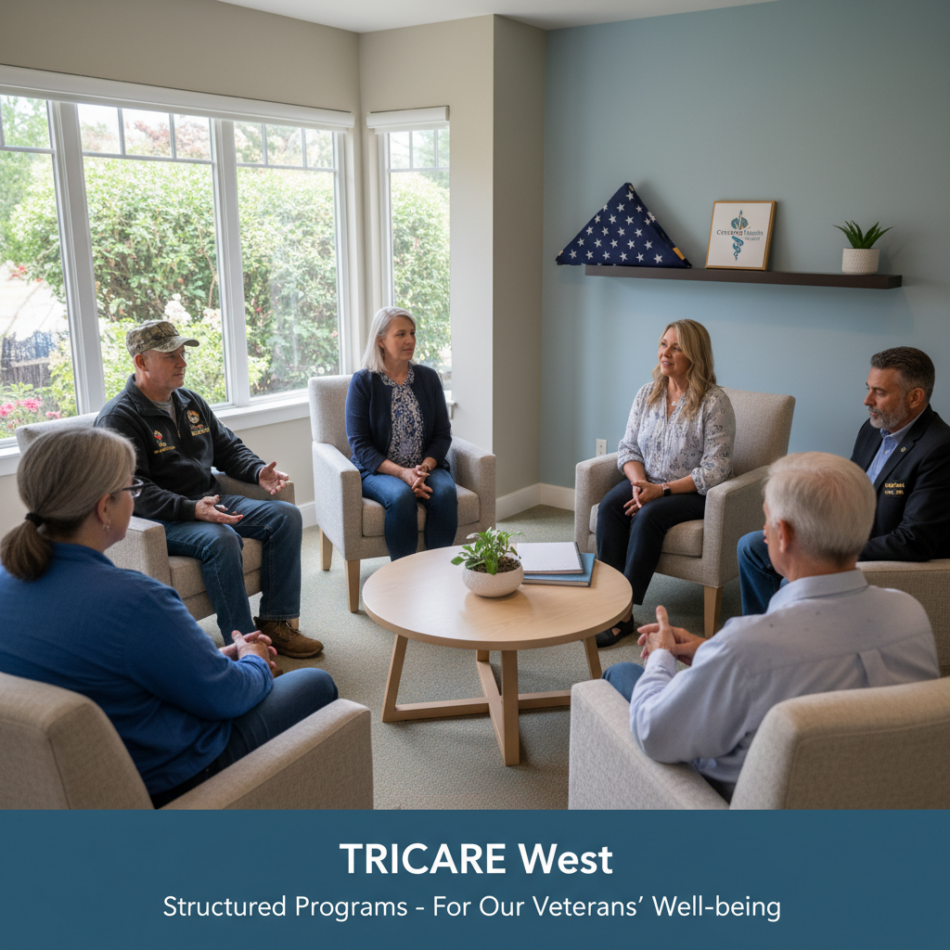
Understanding the TRICARE West behavioral health program
If you are covered through the TRICARE West behavioral health program or TriWest and you are looking for mental health care, you may be unsure where to start. You might be wondering what is covered, whether residential care is an option, and how to find a provider that understands military culture, deployment-related trauma, and the realities of coming home.
Centered Health works with TRICARE West and TriWest to provide structured, trauma‑informed behavioral health treatment for veterans, active‑duty service members, and military families. By choosing a TRICARE approved mental health facility, you can use your earned benefits to access comprehensive care for PTSD, depression, anxiety, and related conditions.
What TRICARE West covers for behavioral health
TRICARE West and TriWest typically provide coverage for a wide range of behavioral health services when they are medically necessary and delivered by approved providers. These services can include:
- Diagnostic assessments and psychiatric evaluations
- Individual, group, and family therapy
- Medication management and monitoring
- Intensive outpatient (IOP) and partial hospitalization programs (PHP)
- Residential and inpatient mental health treatment for eligible clinical needs
Your specific benefits depend on your TRICARE plan, your status, and the level of care you need. When you contact a mental health clinic that accepts TRICARE West, the team can usually help verify your coverage, explain your options, and outline any prior authorizations that may be required before admission.
Why veterans seek behavioral health care
Many veterans and service members first consider treatment when symptoms begin to interfere with daily life. You might be functioning at work or at home, yet feel overwhelmed, disconnected, or constantly on guard. These experiences are common and they are treatable with the right support.
Common concerns among veterans
Veterans in the TRICARE West region often seek care for:
- Post‑traumatic stress symptoms related to combat, military sexual trauma, or training accidents
- Depression, including low mood, loss of interest, or feelings of hopelessness
- Anxiety, panic, and generalized worry that does not improve on its own
- Sleep disturbances, nightmares, and chronic fatigue
- Irritability, anger, or difficulty managing emotions
- Co‑occurring issues such as substance use, chronic pain, or medical conditions
When you explore options like a veteran mental health program TRICARE insurance, you gain access to therapists and psychiatric providers who understand how service experiences can shape these symptoms. Instead of focusing only on diagnosis, effective programs look closely at what you have been through and how it affects your life today.
Levels of care available through TRICARE West
The TRICARE West behavioral health program recognizes that not everyone needs the same intensity of treatment. Some people benefit from weekly outpatient therapy, while others need a structured, supportive setting away from daily triggers.
Outpatient therapy and medication management
If you are coping with mild to moderate symptoms, you may start with:
- Individual therapy sessions focused on coping skills and processing experiences
- Family sessions to improve communication and support at home
- Psychiatric evaluation and ongoing medication management
You can access mental health therapy covered by TRICARE through in‑network providers who are familiar with TRICARE West and TriWest authorization processes.
Intensive outpatient and partial hospitalization
When symptoms have begun to impact your daily functioning, yet you still have some stability at home, you may be referred to:
- Intensive outpatient programs (IOP), which typically meet several days per week for a few hours at a time
- Partial hospitalization programs (PHP), which offer full‑day treatment while you return home in the evenings
These structured programs can be part of a TRICARE West therapy program, offering a higher level of support without a full residential stay. They are often suitable if you need more than standard outpatient therapy but do not require 24‑hour supervision.
Residential and inpatient mental health treatment
For veterans and service members who need a more protected environment, TRICARE West may cover:
- Short‑term inpatient psychiatric stabilization for acute crises
- Longer residential programs that provide 24‑hour support and therapeutic services
If you are looking for a TRICARE mental health residential program or behavioral health treatment TRICARE West, Centered Health helps you determine which level of care meets TRICARE criteria and aligns with your clinical needs. Residential care is often recommended when outpatient support has not been enough or when your safety and functioning are significantly affected.
When you use your TRICARE West behavioral health benefits, you are not asking for special treatment. You are using a resource you earned through your service.
How Centered Health supports veterans with TRICARE West
Choosing a TRICARE mental health treatment center is about more than checking an insurance box. You need a setting where your service is respected, your privacy is protected, and your care plan reflects your history and goals. Centered Health builds its approach around these priorities.
Trauma‑informed, veteran‑focused care
Centered Health’s programs are grounded in trauma‑informed principles. This means your providers work to:
- Understand how trauma affects your nervous system, relationships, and decision‑making
- Avoid re‑creating power dynamics that feel similar to past traumatic experiences
- Offer clear information about what to expect in treatment, so you are never surprised by the process
- Invite, rather than demand, participation while still maintaining a structured environment
When you enroll through a behavioral health program for veterans TRICARE, you can expect your care team to ask about your service, deployments, transitions, and military culture. This context helps them distinguish between survival strategies that served you in uniform and patterns that may no longer work in civilian life.
Respect for confidentiality and your career
Many active‑duty service members hesitate to seek help because they worry about confidentiality, duty status, or career implications. Centered Health takes these concerns seriously. When you access veteran mental health treatment TRICARE, your information is handled according to privacy laws and TRICARE requirements.
Your team will explain:
- How your records are protected
- What information is shared with TRICARE or other providers and why
- When you may need to involve a command or employer, and when that is not required
This transparency allows you to make informed choices about your care without feeling pressured or uninformed.
Comprehensive assessment and personalized treatment planning
From your first contact with a mental health treatment that accepts TRICARE West, you are guided through a thorough assessment process. This may include:
- Clinical interviews about your symptoms, history, and current stressors
- Screening for trauma, substance use, and co‑occurring mental health conditions
- Medical review to coordinate with existing medications or health issues
- Conversations about your strengths, supports, and treatment goals
Based on this information, your clinicians develop a structured plan that outlines your therapies, estimated length of stay if residential care is recommended, and step‑down options such as IOP or outpatient therapy after discharge.
Types of conditions treated with TRICARE‑covered care
Through your TRICARE West behavioral health benefits, you can access treatment for a wide range of mental health conditions. Centered Health tailors care to address the issues that most often affect veterans, service members, and their families.
PTSD and trauma‑related conditions
If you are living with intrusive memories, avoidance, hypervigilance, or emotional numbness following combat or other traumatic events, a TRICARE mental health program veterans can help. Your team may use therapies such as:
- Trauma‑focused cognitive behavioral therapy
- Skills training in emotion regulation and grounding techniques
- Group sessions that allow you to share experiences with others who understand military life
Focused trauma work is paced to match your readiness, so you build coping tools before you begin addressing the most difficult memories.
Depression and mood disorders
Persistent low mood, lack of motivation, or loss of interest in activities can make it difficult to maintain relationships, work, or schooling. A TRICARE covered depression treatment program often combines:
- Individual therapy to explore underlying patterns and beliefs
- Behavioral strategies to rebuild structure and engagement in daily life
- Medication management when appropriate, with careful monitoring for effectiveness and side effects
By using your TRICARE covered mental health treatment benefits, you can receive integrated support rather than navigating fragmented services on your own.
Anxiety, panic, and related concerns
Anxiety can show up as constant worry, restlessness, physical tension, or sudden panic episodes. If you find yourself avoiding certain places or situations, or if anxiety is interfering with sleep and concentration, you may benefit from a TRICARE anxiety treatment center.
Centered Health uses evidence‑based therapies and skills training to help you:
- Understand how anxiety develops and is maintained
- Practice gradual exposure to feared situations when clinically indicated
- Learn coping strategies that you can use long after treatment ends
Co‑occurring and complex cases
Many veterans present with more than one concern at a time, such as PTSD combined with depression, substance use, or chronic pain. A TRICARE covered psychiatric treatment program looks at these conditions together instead of attempting to treat them in isolation.
Your care plan can include coordination with medical providers, pain specialists, or substance use treatment teams when needed. This integrated approach helps ensure that one condition is not overlooked while focusing on another.
What sets Centered Health apart for TRICARE West members
When you compare options for a TRICARE West psychiatric treatment center, it can be helpful to understand how each program is structured. Centered Health focuses on several core elements that matter to veterans and their families.
Structured, therapeutic environment
In residential and higher levels of care, your daily schedule is organized around:
- Individual sessions with licensed therapists or psychiatrists
- Process and psychoeducational groups
- Skills training in communication, stress management, and emotional regulation
- Time for reflection, rest, and appropriate physical activity
This structure allows you to step away from day‑to‑day demands and focus on healing, while still having clear expectations, boundaries, and support.
Focus on reintegration and life after treatment
Effective treatment does not end when you leave the facility. From the beginning, your team works with you to plan for:
- Transitions to lower levels of care, such as IOP or outpatient therapy
- Community resources, including VA or local supports when appropriate
- Strategies to manage triggers at home, at work, or in social settings
When you choose a mental health rehab that accepts TRICARE, you gain access to a continuity of care that supports you beyond the initial intensive phase.
Collaboration with families and supports
If you are comfortable involving family members or trusted supports, Centered Health can integrate them into education and treatment planning. This often includes:
- Psychoeducation about your condition and treatment
- Guidance on how loved ones can respond to symptoms in constructive ways
- Support for improving communication and setting healthy boundaries
Family involvement is always your choice, and any participation is approached with respect for your privacy and preferences.
Using your TRICARE West benefits at Centered Health
Navigating insurance can feel overwhelming, especially when you are already managing symptoms. Centered Health aims to make the process as straightforward as possible for TRICARE West and TriWest members.
Verification and authorization
When you reach out to a mental health treatment that accepts TRICARE West, admissions staff can:
- Verify your TRICARE West or TriWest eligibility and network status
- Clarify which levels of care your plan may cover
- Obtain any required prior authorizations in coordination with your referring provider, if you have one
This support reduces delays and helps you understand what to expect in terms of coverage and any potential out‑of‑pocket costs.
Coordinated communication with TRICARE
Throughout treatment, your clinical team provides TRICARE with required clinical updates so that authorizations can be continued when medically appropriate. This communication is handled behind the scenes, allowing you to focus on your recovery while still meeting insurance requirements.
If questions arise about coverage for specific services or about transitions between levels of care, staff can explain your options and, when possible, work with TRICARE representatives to advocate for clinically indicated treatment.
Taking the next step toward care
If you are searching for a TRICARE West mental health program or exploring options for TRICARE West behavioral health program coverage, you do not have to make these decisions alone. A conversation with an admissions specialist can help you clarify your goals, understand your benefits, and decide whether residential, partial hospitalization, or outpatient services are the right fit.
Centered Health provides a mental health clinic that accepts TRICARE West and offers a structured, trauma‑informed environment where your service and your experiences are taken seriously. By using your TRICARE covered mental health treatment benefits, you give yourself access to veteran‑focused care that is designed to support healing, reintegration, and long‑term stability.
Reaching out is your decision. When you are ready, you can explore a veteran mental health program TRICARE insurance that aligns with your needs and makes full use of the behavioral health resources you have earned.