When you complete a higher level of care—whether residential treatment, PHP or IOP—you need a bridge back into daily life that keeps your progress on track. An alumni mental health support program offers ongoing therapy, relapse prevention tools and peer connection to help you maintain long-term recovery. By combining structured check-ins, educational resources and technology solutions, these programs form an essential part of continuing care, alongside aftercare therapy for long-term recovery, continued therapy after residential treatment and outpatient therapy that accepts insurance.
Understanding alumni mental health support
Definition and role in continuing care
An alumni mental health support program is a structured, non-clinical service that keeps you connected with peers and professionals after you leave formal treatment. Rather than ending your care abruptly, the program provides ongoing group sessions, workshops and resources designed to reinforce skills learned in treatment. These programs are essential in the continuum of care for individuals recovering from addiction and mental health issues, providing connection and resources to foster long-term wellness [1].
Transitioning from formal treatment
As you step down from an intensive setting, it’s common to face new stressors—work demands, family responsibilities and everyday triggers. Alumni programs help you navigate these challenges with:
- Regular peer group meetings
- Booster sessions on coping strategies
- Access to crisis support lines
- Referrals to outpatient counseling for depression and anxiety or outpatient mental health treatment for adults
Main components of alumni support
An effective program balances community, education and accountability. Here are the core elements you should expect.
| Component | Description |
|---|---|
| Peer support groups | Regular, facilitator-led meetings where alumni share experiences and coping strategies |
| Educational workshops | Skill-building sessions on stress management, emotional regulation and vocational readiness |
| Contingency management | Incentive systems that reward attendance, goal completion and positive health behaviors |
| Specialized interest groups | Activity-based gatherings—parenting, creative arts or wellness practices—to deepen connections |
| Technology platforms | Online portals or apps for scheduling, resource libraries and on-demand peer access |
Peer support and community
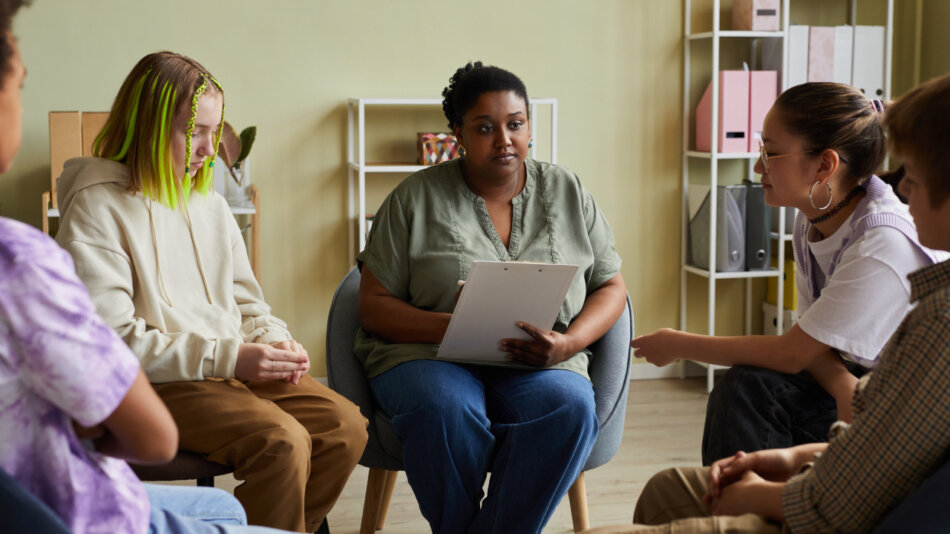
Joining a peer and alumni mental health programs group connects you with others who understand your journey. Sessions typically run 50 minutes, focus on peer processing and mental health skills, and may be offered up to six hours weekly with unlimited interest-based options [2]. This sense of belonging reduces isolation and strengthens your commitment to recovery.
Ongoing education and resources
Workshops empower you with practical tools:
- Coping strategies for anxiety and depression
- Wellness practices such as mindfulness or yoga
- Vocational skills and career planning
- Parenting support groups to address family dynamics
These sessions reinforce what you learned during treatment and introduce new techniques to handle life’s evolving challenges [1].
Contingency management
Some programs use contingency management—rewarding you for meeting goals like session attendance, completing journaling exercises or maintaining sobriety. By reinforcing positive behaviors, this approach boosts motivation and accountability [3].
Specialized interest groups
Beyond core skills, you might join groups focused on shared interests: art therapy, fitness, meditation or parenting. These niche gatherings foster deeper peer bonds and address unique post-treatment needs, ensuring you do not “fall through the cracks” once formal care ends [2].
Technology and innovation in alumni care
Dedicated online platforms
A robust alumni program uses a secure portal or app to schedule meetings, track progress and access resource libraries. For example, the CaredFor app enables peer support groups, educational resources, social event organization and contingency management, promoting continued recovery and preventing relapse [3].
Social networks and chat communities
Virtual channels—like an alumni Discord community—let you connect informally outside scheduled groups. You can share wins, ask questions or simply chat with peers and facilitators. This on-demand support reduces isolation and reinforces your sense of belonging [2].
Measuring program success and outcomes
Establishing clear objectives
Effective programs define goals such as:
- Attendance rates for peer sessions
- Skills mastery in workshops
- Relapse rates at 6, 12 and 18 months
- Alumni satisfaction scores
By tracking these metrics, a program can refine offerings and demonstrate efficacy to funders and prospective members [1].
Gathering feedback and testimonials
Collecting alumni stories and quantitative feedback builds trust. Facilities that highlight real-life transformations show how ongoing support can enhance reputation and encourage new participants [1], while testimonials from Rockland Recovery Behavioral Health alumni describe their program as “life-saving” and “family-like,” crediting it with preventing relapse and promoting personal growth [4].
Benefits for your ongoing recovery
Reduced risk of relapse
By staying connected, you reinforce coping skills and receive timely support when you face triggers. Programs that foster community and accountability significantly lower relapse rates compared with no follow-up care [1].
Enhanced treatment outcomes
Engagement in alumni services correlates with improved mental health scores and sustained wellness. You’ll benefit from ongoing education, peer encouragement and structured check-ins that complement relapse prevention and recovery support.
Personal growth and empowerment
Specialized groups—parenting, vocational training or creative workshops—help you explore strengths, discover new interests and build confidence in daily life. Many alumni describe their programs as crucial in maintaining a sense of purpose and identity beyond treatment.
Selecting the right alumni program
Insurance acceptance and affordability
Look for programs that accept your plan—whether through outpatient benefits or behavioral health riders—to minimize out-of-pocket costs. You can often access alumni services under the same coverage as outpatient therapy for mood stabilization or ongoing psychiatric care and therapy support.
Accessibility and scheduling
Choose a program with flexible meeting times—virtual and in-person options—that fit your work and family life. Many programs offer evening or weekend groups, as well as catch-up materials for sessions you miss, ensuring you can stay engaged.
Alumni leadership and specialization
A strong program empowers alumni to lead interest groups or advisory councils, fostering ownership and peer mentoring. Programs that involve alumni in planning tend to be more responsive to evolving needs and build leadership skills among members.
Putting it all together
An alumni mental health support program is more than a safety net—it’s a platform for sustained growth, community connection and resilience. By blending peer support, ongoing education, contingency management and technology, you gain the tools and network to navigate life’s challenges with confidence. As you reintegrate into daily routines, these programs ensure you never walk alone, offering the structure and encouragement you need for lasting recovery.
For guidance on complementary services, explore our resources on therapy for sustained recovery and relapse prevention and step-down care and aftercare for adults. Whether you need clinical support or community connection, the right alumni program can be the catalyst that keeps your mental wellness journey on course.