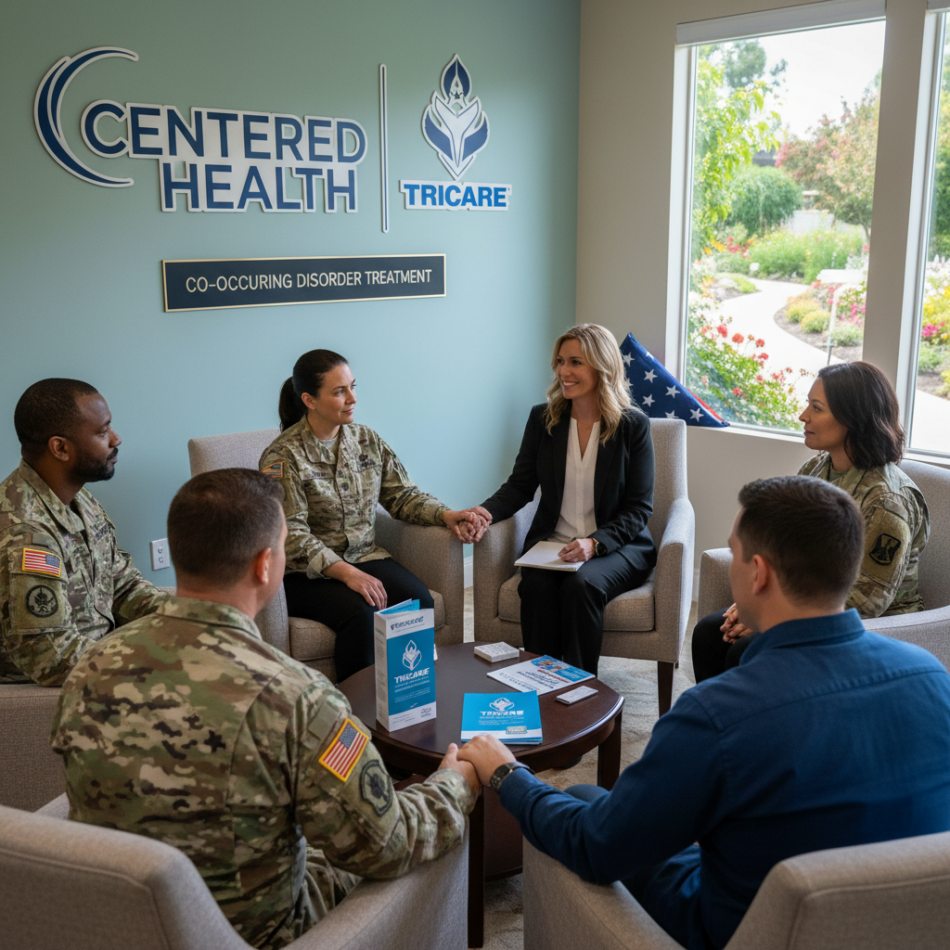
Understanding veteran drug rehab with TRICARE insurance
If you are searching for veteran drug rehab TRICARE insurance options, you may already feel overwhelmed by choices, terms and coverage rules. You might also be carrying heavy burdens from your service, including trauma, chronic pain, or mental health challenges that make it harder to reach out for help.
TRICARE covers substance use disorder treatment for millions of service members, veterans, and dependents, and in many cases it can pay for all or most of your drug or alcohol rehab costs depending on your specific plan and location [1]. Understanding how this works can help you move from uncertainty to a clear, realistic plan for recovery.
This guide walks you through how TRICARE works for addiction treatment, why trauma and military culture can make substance use more likely, and how to choose a TRICARE West covered program like a tricare approved drug rehab center that truly understands veterans.
Why many veterans seek help for substance use
Military service exposes you to stressors most civilians never face. Combat, repeated deployments, long separations from family, and ongoing hypervigilance can change how your brain and body respond to stress. When you return to civilian life, it can be hard to switch those responses off.
Over time, you might turn to alcohol or drugs to sleep, to calm your nerves, to manage chronic pain, or to dull memories you would rather not revisit. In the short term, those substances may feel like they help. In the long term, they often make symptoms worse and can develop into a full substance use disorder.
You may also carry unspoken beliefs that make it harder to seek treatment, such as:
- You should be able to handle it on your own
- Asking for help means you are weak or unreliable
- Seeking rehab could put your career or benefits at risk
In reality, substance use affects judgment, performance, relationships and physical health. Addressing it head on is an act of strength and responsibility. TRICARE was created to make sure you do not have to walk that road alone or pay for everything out of pocket.
How TRICARE supports addiction treatment
TRICARE is the health care program for active duty service members, National Guard and Reserve members, retired service members, veterans and their families. It covers substance use disorder treatment for roughly 9.6 million beneficiaries, potentially paying for a large portion of your rehab costs depending on your plan type and where you live [1].
Coverage is not identical for every person. Your benefits depend on:
- Your status, for example active duty, retired, National Guard or dependent
- Your TRICARE plan type
- Whether the facility is in the TRICARE network
- The level of care you need, such as detox, residential, or outpatient
- Your region, such as TRICARE West
An experienced tricare covered addiction treatment center can walk you through your specific coverage, estimate out of pocket costs, and help you avoid surprise bills. You do not need to figure everything out on your own before you call.
Types of addiction care TRICARE may cover
TRICARE recognizes substance use disorders as medical conditions that respond best to evidence based care. While specific coverage can vary by plan and region, you can generally expect TRICARE to help pay for several levels of treatment when medically necessary.
Medical detox and stabilization
If you have been drinking heavily or using drugs regularly, you may need a supervised medical detox. This is especially important for alcohol, opioids, benzodiazepines and some other substances where withdrawal can be medically serious.
A tricare detox and rehab program typically provides:
- 24 hour monitoring in a safe, controlled environment
- Medications to reduce withdrawal symptoms and cravings when appropriate
- Medical support for blood pressure, sleep, hydration and nutrition
- A bridge into residential or outpatient treatment so detox is the beginning, not the end
Detox alone does not treat addiction. It clears your body of substances and prepares you to do the deeper therapeutic work that leads to lasting change.
Residential and inpatient rehab
Residential or inpatient care gives you time away from triggers, unsafe environments or high stress work settings. You live on site while receiving structured, daily treatment.
A military rehab that accepts tricare west may include:
- Individual therapy focused on trauma, mood, and substance use
- Group therapy with other veterans or service members
- Skills based groups on coping, relapse prevention and communication
- Family sessions, when appropriate, to rebuild trust and connection
- Medication management for co occurring conditions like depression, anxiety or PTSD
TRICARE coverage for residential care depends on medical necessity and plan rules. Some plans require prior authorization. A tricare addiction recovery program can coordinate with TRICARE so you know what is covered before you admit.
Intensive outpatient and standard outpatient
If you do not need 24 hour care or you are stepping down from residential treatment, an intensive outpatient program (IOP) or standard outpatient program might be the right level of care.
At a substance abuse treatment tricare west provider, IOP often looks like:
- Several treatment sessions a week, typically in the daytime or evening
- Group therapy that focuses on triggers, coping skills, and building a sober routine
- Individual sessions to work through trauma, grief, or adjustment issues
- Regular drug and alcohol testing to support accountability
Standard outpatient care is generally fewer hours per week and focuses on therapy, medication management and relapse prevention. This level can be a useful long term support after more intensive treatment.
Medication assisted treatment for opioid use
TRICARE provides coverage for medication assisted treatment (MAT) for opioid use disorder in most cases without pre authorization, as long as you receive care from TRICARE authorized providers who follow federal and state regulations [1].
MAT uses medications alongside therapy to stabilize brain chemistry, reduce cravings, lower the risk of overdose, and support long term recovery. Common MAT options for opioid use disorder include:
- Buprenorphine based medications
- Methadone in approved programs
- Naltrexone in oral or injectable forms
At a drug rehab that accepts tricare west, MAT is usually paired with counseling and support groups. This combined approach helps you address both the physical and psychological aspects of addiction.
TRICARE does not generally cover unproven treatments or aversion therapies for substance use disorders, and coverage can depend on your plan and state regulations [1]. A knowledgeable provider will guide you toward evidence based options that align with your benefits.
Alcohol rehab options with TRICARE West
If alcohol is your main concern, TRICARE West benefits can often support several types of care, from detox through long term outpatient therapy. An alcohol rehab covered by tricare west typically offers:
- Medically supervised alcohol detox when needed
- Individual therapy focused on patterns, triggers, and underlying mental health issues
- Group support with others who understand military culture and drinking norms
- Medication options that can reduce cravings or help prevent relapse
- Education on how alcohol affects sleep, mood, relationships and physical health
You may also see programs described as tricare alcohol rehab program or tricare west alcohol addiction treatment. These programs are designed to work within TRICARE guidelines while addressing the specific risks and withdrawal patterns associated with alcohol.
Coordinating TRICARE with VA, Medicare or other coverage
If you are a veteran, you may have more than one option for coverage. Many veterans use VA health benefits for service related conditions while using TRICARE for other healthcare needs [1].
A few key points to keep in mind:
- VA facilities do not accept Medicare payments, so if you qualify for Medicare it is often still wise to enroll, then use it alongside TRICARE and VA benefits when seen outside VA facilities [1]
- Retired veterans and National Guard members may combine TRICARE with Medicaid or employer sponsored insurance to reduce out of pocket costs for addiction treatment, while active duty members usually rely solely on TRICARE [1]
A tricare west addiction recovery center can help you understand how to sequence or coordinate your benefits so you get the most support with the least financial stress.
Trauma, PTSD, and substance use in veterans
For many veterans, substance use is closely tied to trauma, PTSD, chronic pain or moral injury. You may notice that you drink or use more after nightmares, flashbacks, arguments with family, or reminders of deployment. Over time, your nervous system can become stuck in a constant state of high alert or emotional numbness.
When you enter a veterans addiction therapy tricare program that understands this connection, treatment focuses on more than just stopping alcohol or drug use. It also aims to help you:
- Process traumatic memories in a safe, structured way
- Reduce symptoms like hypervigilance, avoidance and intrusive thoughts
- Learn grounding and calming strategies you can use anywhere
- Rebuild your sense of identity outside of substances and symptoms
Evidence based therapies often used with veterans include cognitive behavioral therapy, trauma focused approaches, and relapse prevention work that is tailored to your military experiences and transition back to civilian life.
What care looks like at a TRICARE focused center
When you choose an addiction treatment that accepts tricare west, you get more than just help with billing. You step into a clinical environment shaped around your needs as a veteran or service member.
A typical tricare covered substance abuse program may include:
Evidence based therapy and dual diagnosis care
Addiction rarely appears alone. Depression, anxiety, PTSD and chronic pain are common among veterans. Clinical teams trained in substance abuse therapy tricare west address both substance use and mental health at the same time using:
- Individual therapy grounded in cognitive and behavioral approaches
- Group work focused on skills, shared experiences, and peer support
- Medication management when appropriate for mood, anxiety or sleep issues
This combination increases your chances of long term stability and lowers relapse risk.
Veteran informed environment and culture
A military addiction treatment tricare program understands rank structure, deployments, unit culture and the impact of military training on how you express emotion. You can expect:
- Staff who respect military culture and language
- Space to talk about guilt, grief, or moral injury without judgment
- Groups where you can connect with other veterans who understand your background
This sense of shared understanding often reduces shame and makes it easier to talk honestly about what you have been through.
Flexible levels of care for your situation
Not everyone can step away from work or family for weeks at a time. With military substance abuse rehab tricare coverage, you may have access to a continuum of care that can adapt as your needs change:
- Medical detox and residential care when you need intensive support
- Intensive outpatient when you can live at home but still need structure
- Ongoing outpatient therapy to maintain progress once you stabilize
Programs experienced in drug addiction treatment tricare west can help you choose the right level of care and adjust as you move forward.
What TRICARE does not typically cover
While TRICARE is broad in its support, there are limits. Understanding these in advance can help you set realistic expectations.
Based on current guidance, TRICARE coverage for drug rehab generally does not extend to:
- Experimental or unproven treatments that lack scientific support
- Aversion therapies for substance use disorders
- Services outside the TRICARE network that have not been authorized, except in emergencies
Coverage also depends heavily on medical necessity and your specific plan rules. Before you begin a tricare addiction recovery program, staff should review which services are covered and what, if anything, you may owe.
How to use your TRICARE West benefits for rehab
To move from research to action, it helps to break the process down into clear steps. When you are already dealing with cravings, withdrawal or mental health symptoms, even simple tasks can feel overwhelming.
You can approach your search for a veteran addiction rehab tricare west program in a few practical stages:
- Confirm your eligibility and plan type
Check your TRICARE West plan details so you know whether you are active duty, retired, Guard or dependent and which specific plan you have. - Reach out to a TRICARE friendly facility
Contact a tricare approved drug rehab center or tricare west addiction recovery center directly. Ask if they verify benefits and obtain any required authorizations for you. - Share your current situation honestly
Talk with admissions or clinical staff about what you are using, how often, any prior treatment, mental health symptoms, medical conditions and your living situation. Full, honest information helps them recommend the right level of care. - Review your coverage and any costs
Ask the facility to explain your TRICARE coverage, expected length of treatment, and any copays or deductibles. Many centers will coordinate with TRICARE to minimize surprise costs. - Plan for admission or start date
If residential care is appropriate, discuss admission dates, what to bring and how to coordinate with family or your chain of command. If you are starting outpatient care, confirm your first appointment and transportation.
You do not need to feel completely ready before you call. Reaching out is part of becoming ready. An experienced tricare covered addiction treatment center can walk you through each step.
You have already learned to handle difficult situations under pressure. Using your TRICARE benefits to seek treatment is another way of putting that training to work for your own health and your future.
Why veterans choose TRICARE focused programs
When you look for veteran drug rehab TRICARE insurance options, you are not just buying a service. You are choosing who will walk beside you during one of the most important transitions in your life. Veterans often prefer TRICARE focused centers because they:
- Understand military and veteran culture instead of treating you like any other patient
- Build programs around evidence based care that TRICARE recognizes and supports
- Help coordinate benefits, authorizations, and any secondary coverage you may have
- Offer clear, upfront information about what is covered and what your options are
Whether you need detox, residential rehab, or ongoing substance abuse treatment tricare west, you have a path forward that does not require you to sacrifice your financial stability to get help.
If you are considering change, you do not need to solve everything today. Your next step can be as straightforward as contacting a tricare covered substance abuse program and asking a simple question:
“What would getting help look like for someone in my situation, with my TRICARE coverage?”
From there, you can begin to build a treatment plan that respects your service, addresses your trauma, and supports a future where substances no longer set the terms of your life.