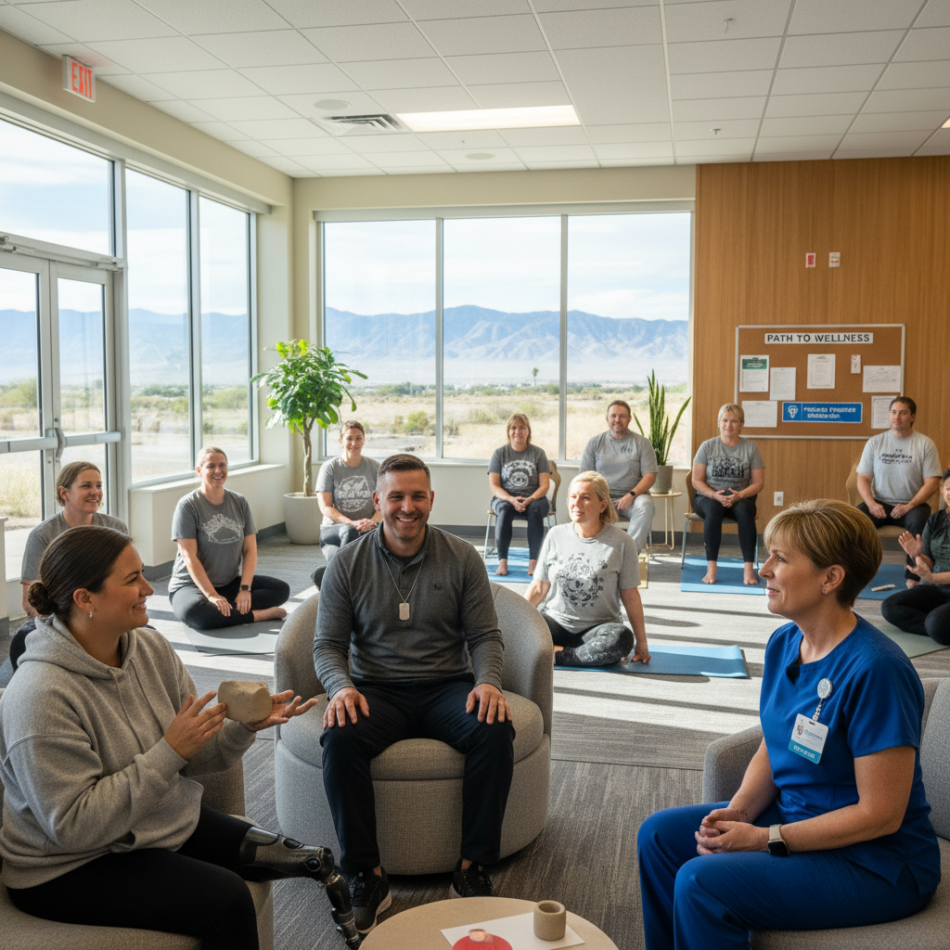
Understanding teen PHP for trauma and emotional regulation
If you’re exploring teen PHP for trauma and emotional regulation, you’re looking at a structured day treatment that bridges outpatient counseling and inpatient care. In a partial hospitalization program, teens receive intensive support—often six to eight hours a day—in a safe, non-residential setting. This balanced approach allows your child to build coping skills, work through trauma, and then return home each evening, maintaining family ties and school routines. Many families find that a teen PHP mental health treatment program like this offers the right level of care without removing teens from their familiar environment teen php mental health treatment.
In this article, you’ll learn how partial hospitalization supports trauma recovery, how it differs from intensive outpatient programs, which clinical therapies to expect, and how family involvement and insurance acceptance make this step-down care accessible and effective.
What is a teen PHP program?
A partial hospitalization program (PHP) is a day treatment program for teens focused on mental health and emotional regulation. Designed for adolescents who need more support than traditional outpatient therapy but less than full inpatient care, PHP provides:
- Structured daily schedule, typically 5–6 days per week
- Evidence-based therapies, skill-building groups, and psychiatric oversight
- Return home each evening to maintain family and school connections
Partial hospitalization for teenagers offers routine, consistency, and comprehensive care without the stigma of overnight hospitalization [1].
Program structure and schedule
Most teen PHPs run six to eight hours per day and include:
- Morning check-in and mindfulness
- Individual therapy sessions
- Group therapy focused on trauma, emotional regulation, and life skills
- Psychoeducation on coping strategies
- Skill-building activities (art, experiential therapy, DBT skills)
- Family therapy or parent support groups
For many teens, symptom relief becomes noticeable within the first four weeks of an evidence-based PHP [2]. By blending clinical care with creative approaches, PHP helps teens regulate emotions and address underlying issues in real time.
Comparing PHP and IOP
When you’re considering step-down care, understanding the difference between partial hospitalization and an intensive outpatient program (IOP) is key.
| Feature | PHP | IOP |
|---|---|---|
| Hours per week | 30–40 hours (6–8 hours/day, 5–6 days) | 9–20 hours (3–4 hours/day, 3–5 days) |
| Level of oversight | Full psychiatric and medical support | Weekly medication management check-ins |
| Best for | Severe trauma, emotional dysregulation | Moderate anxiety, depression, behavioral issues |
| Residential requirement | Non-residential, returns home nightly | Non-residential, returns home nightly |
| Transition option | Step-down from inpatient care | Follow-up after PHP or outpatient therapy |
Therapy intensity and clinical supervision in PHP are higher, making it a better fit when your teen needs daily therapeutic structure and close medical monitoring. If your teen has stabilized in a PHP but still needs regular therapy, you might transition to a teen intensive outpatient program or explore iop for teen mental health recovery.
Core therapies in partial hospitalization
PHPs integrate multiple evidence-based therapies that target trauma and emotional regulation.
Cognitive behavioral therapy
CBT helps teens identify and reframe negative thought patterns that fuel anxiety, depression, or trauma responses. In a day program, CBT sessions:
- Teach coping strategies for stress and triggers
- Encourage self-reflection and goal setting
- Reduce the risk of relapse by building healthy habits
Dialectical behavior therapy
DBT is especially effective for emotional dysregulation and self-harm behaviors. Core DBT modules include:
- Mindfulness to stay present
- Distress tolerance to manage crises
- Emotion regulation to understand and adjust feelings
- Interpersonal effectiveness for healthy relationships
Trauma-focused CBT
When trauma underlies emotional difficulties, trauma-focused CBT (TF-CBT) helps teens process distressing memories in a safe environment. Therapists guide your teen through gradual exposure, cognitive restructuring, and relaxation techniques.
Experiential and creative therapies
Non-verbal therapies can unlock emotions that are hard to articulate. Programs like the PHP at Family First Adolescent Services use art, dance, and gardening as therapeutic tools to:
- Offer alternative means of expression
- Promote mind-body connection through mindfulness practices [3]
- Reinforce coping skills in engaging formats
Medication management
PHPs include on-site psychiatrists or psychiatric nurse practitioners who prescribe and monitor medications. Regular check-ins ensure that dosage adjustments are timely and side effects are managed, supporting smoother emotional regulation.
Family involvement benefits
Your active role can significantly boost your teen’s progress. PHPs emphasize family participation through:
Structured family therapy
Family sessions address communication patterns, set healthy boundaries, and resolve conflicts. When everyone learns the same coping skills, home life supports lasting change.
Psychoeducation and parent support
Weekly parent groups provide:
- Information on trauma and adolescent brain development
- Strategies to reinforce therapy goals at home
- Peer support from other families navigating similar challenges
A strong family system reduces relapse risk and empowers teens to maintain resilience beyond the program [4].
Home integration and consistency
Because teens return home every day, you can:
- Observe your teen’s progress firsthand
- Practice coping techniques together
- Ensure consistency in routines, sleep, and nutrition
This integration prevents the abrupt transition some teens face after inpatient treatment and reinforces skills in real-world settings.
Insurance and admissions
Many PHPs accept major health insurance plans and offer streamlined admissions to reduce barriers.
Insurance acceptance
- BasePoint Academy in Dallas-Fort Worth accepts Aetna, Cigna, UnitedHealthcare, Blue Cross Blue Shield, and Optum, often covering trauma treatment under medical necessity [5].
- Embrace U collaborates with in-network and out-of-network providers to lower out-of-pocket costs [2].
Before enrolling, verify coverage for a partial hospitalization program for suicidal teens or general trauma care. You can also explore options through partial hospitalization that accepts insurance or php or iop program for teens that accepts insurance.
Admissions process
Most programs feature:
- A brief phone assessment to determine suitability
- Coordination with your teen’s therapist or school counselor
- Insurance verification and benefit checks
At Vitalize Behavioral Health in Fresno, the admissions process is designed to be simple, with insurance acceptance and flexible scheduling [4].
Choosing the right program
When selecting a teen PHP, consider these factors:
- Clinical focus: Does the program specialize in trauma and emotional regulation?
- Therapy modalities: Are CBT, DBT, TF-CBT, and experiential therapies offered?
- Family involvement: How are parents engaged in treatment?
- Educational support: Does the program coordinate with your teen’s school?
- Location and schedule: Can your teen manage travel and still attend school?
- Insurance and cost: Is coverage verified and out-of-pocket expense manageable?
Questions to ask providers
- What is the daily schedule and average length of stay?
- How is progress tracked and shared with families?
- Which clinicians lead individual and group sessions?
- How do you handle psychiatric emergencies or medication changes?
- What coordination exists with my teen’s school or pediatrician?
Next steps
- Gather documentation: insurance cards, previous evaluations, school records.
- Schedule a pre-admission call to discuss your teen’s needs.
- Visit the facility or attend a virtual tour to meet staff.
- Confirm start dates and transportation arrangements.
By taking these steps, you’ll ensure a smooth transition into a program that supports trauma recovery and builds emotional regulation skills, helping your teen thrive both in treatment and at home.
Conclusion
Teen PHP for trauma and emotional regulation offers a comprehensive, day-treatment approach that balances clinical intensity with home integration. With evidence-based therapies, family involvement, and insurance accessibility, PHP stands out as a step-down care option that meets your teen’s developmental and emotional needs. If you’re seeking structured outpatient therapy for adolescents in a supportive, non-residential setting, learn more about programs like day treatment program for teens or structured outpatient therapy for adolescents and take the next step toward your teen’s recovery journey.