Understanding equine-assisted therapy
Definition and models
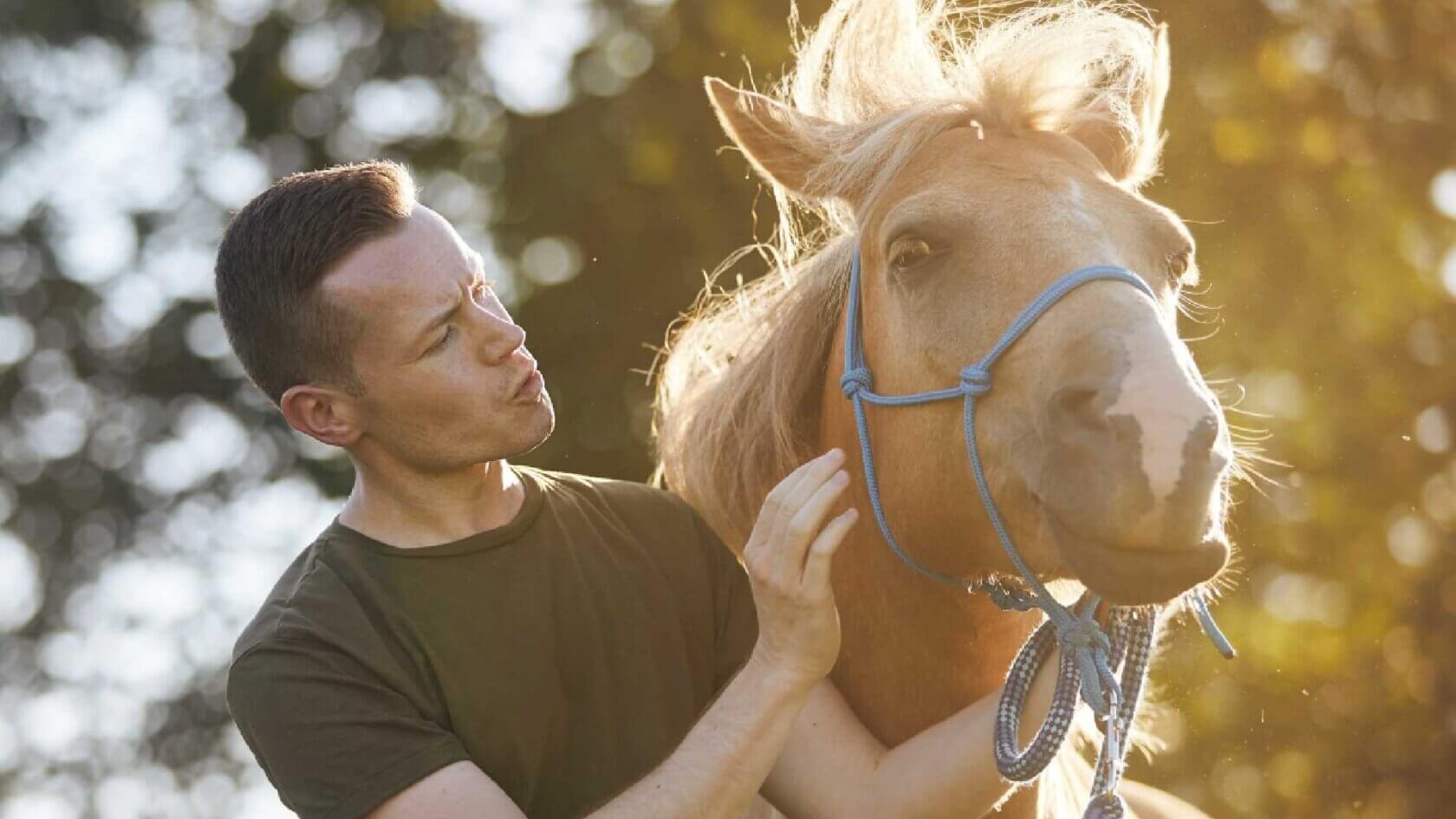
Equine-assisted therapy for adults, also called equine-assisted psychotherapy (EAP) or equine-assisted therapy (EAT), is a ground-based, experiential treatment where you work with horses under the guidance of a licensed mental health professional and a certified equine specialist. Rather than riding, you focus on activities such as grooming, leading, feeding, and navigating obstacle courses to explore emotions and behaviors in a nonthreatening environment [1]. The Eagala Model exemplifies this collaborative, client-driven approach, emphasizing safety, accessibility, and evidence-based growth [2]. Equine-facilitated psychotherapy (EFP) integrates horses into clinical practice, while equine-assisted learning (EFL) uses horse interactions for personal development and team-building [3].
Who can benefit
You may find equine-assisted therapy especially helpful if you’re dealing with:
- Anxiety or panic disorders
- Depression or low mood
- Post-traumatic stress disorder (PTSD), including combat-related trauma
- Addiction recovery challenges
- Difficulty in traditional talk therapy settings
- Behavioral or emotional regulation issues
Many veterans report that working with horses enhances trust and interpersonal skills, translating into healthier relationships outside therapy. Even older adults gain social engagement and improved physical coordination through grooming and stable chores [4]. If you’re exploring alternative modalities, you may also consider our therapy for adults using alternative modalities.
How it works
Horses respond immediately to your nonverbal cues—tone of voice, posture, and energy—mirroring your internal state without judgment. This feedback loop helps you:
- Recognize emotional triggers
- Practice mindful presence
- Adjust behavior in real time
- Strengthen communication skills
Sessions conclude with a debrief between you and the therapist to translate barn-side insights into actionable coping strategies for daily life. Over time, that process builds self-awareness and resilience.
Exploring emotional healing benefits
Emotional regulation
Interacting with a powerful animal demands calm, focused energy. You learn to modulate your breathing, lower tension, and maintain steady confidence. As your emotional state shifts, so does the horse’s behavior, reinforcing your ability to self-soothe and manage stress.
Key outcomes include:
- Increased ability to identify and name emotions
- Improved impulse control under pressure
- Enhanced mindful awareness, similar to mindfulness-based therapy for anxiety and depression
Trauma and PTSD support
Horses offer a grounding presence that helps you stay in the moment rather than re-experiencing traumatic memories. By working through fear in a predictable, supportive environment, many adults report a reduction in hypervigilance and intrusive thoughts. Equine therapy is often used alongside trauma-focused CBT or EMDR to provide a holistic healing pathway.
Addiction recovery aid
Equine-assisted therapy fosters accountability and trust—two pillars of lasting sobriety. When you practice feeding, grooming, or leading a horse, you demonstrate reliability and consistency. Horses reflect even small shifts in attitude, so you get immediate feedback on motivation and follow-through. That insight can reinforce recovery goals and help you navigate relapse triggers. To explore other experiential approaches, see our experiential therapy for mental health recovery.
Confidence building
Successfully guiding a horse through challenges—such as an obstacle course—builds tangible proof of your problem-solving skills and leadership. That boost in self-esteem often carries over into work, relationships, and daily decision-making, reinforcing a positive cycle of achievement.
Preparing for a session
What to expect
Your first session typically begins with an intake interview to review your history, goals, and any physical limitations. You’ll be introduced to the horses and the treatment team, learn basic safety protocols, and set your intentions for the session.
Typical activities
- Grooming and brushing to cultivate patience and gentleness
- Leading exercises to practice clear, calm communication
- Obstacle navigation for problem-solving and trust building
- Reflection and journaling to connect insights with real-life challenges
This structure creates a less clinical atmosphere, which many adults find more welcoming than a traditional therapist’s office [5].
Duration and format
Most sessions last 60 minutes, though some programs offer 45- or 90-minute options. You can participate one-on-one or in small groups, depending on your comfort level and therapeutic goals.
Safety considerations
Reputable centers use well-trained, temperament-tested horses and maintain strict safety standards. You’ll wear protective gear—such as helmets or boots—and learn proper handling techniques. Always verify that the facility is accredited by organizations such as PATH Intl or Eagala and carries comprehensive liability insurance.
Selecting the right program
Credentials and certifications
When evaluating programs, look for providers who partner a licensed mental health professional (LCSW, LMFT, psychologist) with a certified equine specialist. Recognized certifications include:
- Eagala Certified Professional
- PATH Intl Registered Instructor or Center
- American Hippotherapy Association credentials [3]
Insurance and costs
Session rates typically range from $50 to $300, influenced by region, staff expertise, and facility overhead. Most standard health plans do not cover EAP, though hippotherapy—a medical form of horse-assisted therapy—may qualify for reimbursement under physical or occupational therapy benefits.
| Program type | Cost range | Insurance coverage |
|---|---|---|
| Equine-assisted psychotherapy (EAP) | $80–$200 | Rarely covered, except hippotherapy cases |
| Therapeutic riding | $50–$150 | Sometimes covered for rehab or therapy |
| Equine-assisted learning (EFL) | $60–$180 | Generally out-of-pocket |
| Hippotherapy | $80–$250 | Often covered as CPT-registered therapy |
For integrative options that accept insurance, review our integrative therapy program that accepts insurance and our holistic mental health treatment that accepts insurance.
Program types
Equine-assisted offerings include:
- EAP/EAT: Focused on emotional and behavioral health
- Therapeutic riding: Geared toward physical therapy goals
- EFL: Designed for leadership, team-building, and personal growth
- Equine-facilitated counseling: Blends horse work with talk therapy
Choose a format that aligns with your objectives, from trauma recovery to stress management.
Combining holistic modalities
Mindfulness and meditation
Integrating mindfulness practices enhances the self-awareness you gain with horses. Brief guided meditation before or after sessions helps you anchor insights and regulate nervous system responses. To explore a formal program, see our mindfulness and meditation therapy program.
Yoga and movement
Yoga complements equine therapy by building balance, core strength, and breath control—skills that translate to poised, confident horse handling. Movement practices also deepen your mind-body connection. Learn more in our yoga therapy for emotional healing.
Creative arts therapy
After a barn session, expressing emotions through painting, music, or writing can solidify breakthroughs. Creative outlets allow you to translate nonverbal horse feedback into tangible art, reinforcing new patterns. Discover options in our art and music therapy for adults and creative arts therapy for emotional expression pages.
Stress reduction practices
Spending time outdoors with horses lowers cortisol and boosts mood, but you can enhance those benefits with techniques like progressive muscle relaxation, guided imagery, or nature walks. For additional strategies, visit our stress reduction therapy for adults resource.
Equine-assisted therapy for adults is a powerful, experiential complement to traditional mental health treatments. By choosing a program with qualified professionals, understanding costs and insurance options, and integrating supportive modalities such as mindfulness, yoga, and creative arts, you can amplify emotional healing, resilience, and self-confidence. Whether you’re recovering from trauma, managing anxiety, or seeking personal growth, engaging with horses may open a new pathway to deeper, lasting change.