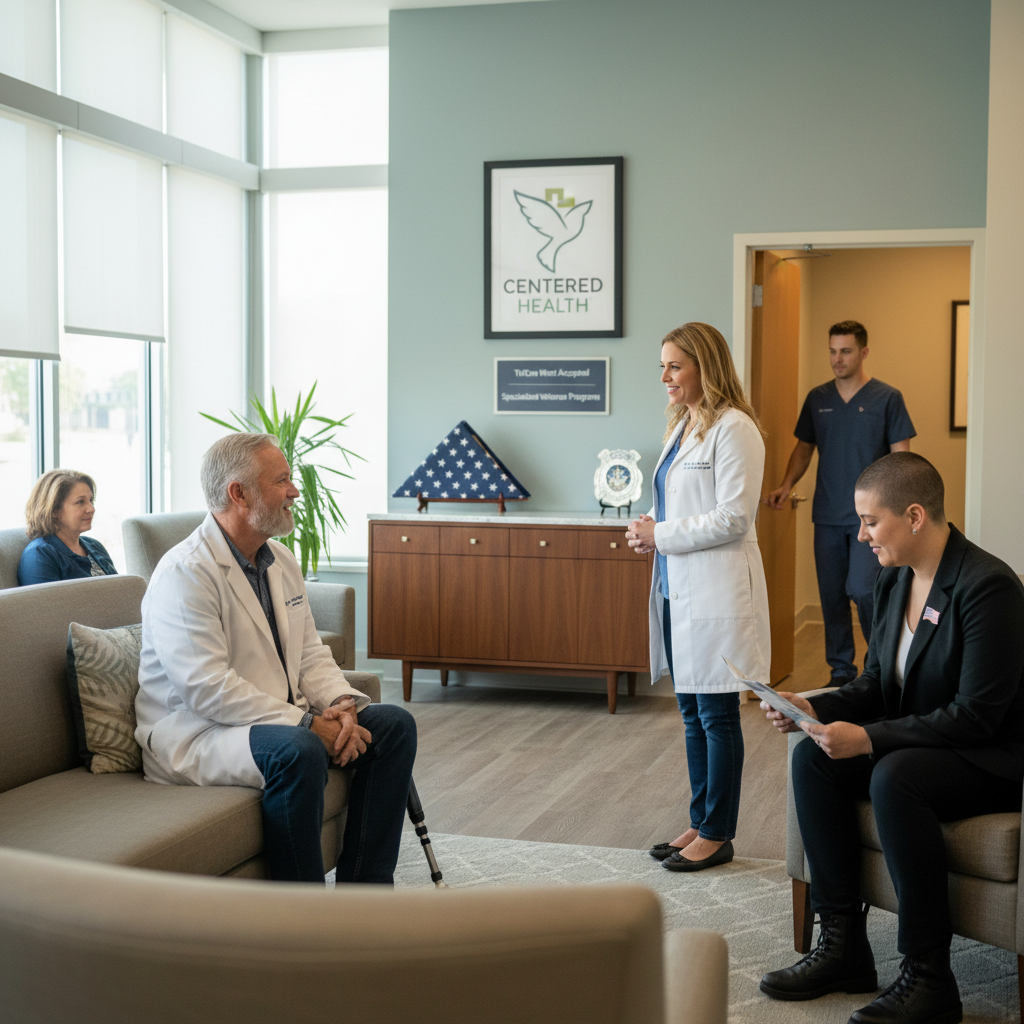
Understanding drug rehab that accepts TRICARE West
Finding a drug rehab that accepts TRICARE West can feel overwhelming when you are already carrying the weight of military service, family responsibilities, and the daily impact of addiction. You might be wondering what is covered, which levels of care you can access, and how to choose a program that truly understands military and veteran experiences.
TRICARE West can help you access a range of addiction treatment options, including detox, inpatient and residential care, and outpatient programs when they are considered medically necessary for you. When you choose an evidence based program that accepts TRICARE West and is familiar with military culture, you give yourself a better chance at lasting recovery, not just short term stabilization. Resources like Recovery.com note that TRICARE plans can cover many forms of addiction treatment, including inpatient and outpatient rehab, medically supervised detox, medication assisted treatment, and care for co occurring disorders, depending on your specific plan and clinical need [1].
As you explore your options, it helps to understand how trauma, service related stress, and mental health challenges often intersect with substance use, and why specialized care can make a meaningful difference in your recovery journey.
How TRICARE West supports addiction treatment
TRICARE West is designed to help active duty service members, veterans, and eligible family members access medically necessary addiction treatment. Coverage details depend on your specific TRICARE plan, your status, and whether a provider is in network, but there are some consistent patterns you can use as a guide.
Covered levels of care and services
In many cases, you can use TRICARE West benefits for a range of substance use treatment options when your provider documents medical necessity. According to Recovery.com, TRICARE insurance can cover services such as inpatient and outpatient rehab, medically supervised detox, medication assisted treatment with medications like methadone or buprenorphine, and treatment for co occurring mental health disorders when clinically indicated [1].
That means you may have access to:
- Medically supervised detoxification to manage withdrawal safely
- Residential or inpatient programs when you need a structured, 24 hour environment
- Partial hospitalization or intensive outpatient programs when you can live at home but still need significant support
- Standard outpatient counseling and therapy for ongoing care
- Medication assisted treatment for opioid or alcohol use disorders when appropriate
- Dual diagnosis services that address PTSD, depression, or anxiety along with substance use
If you are specifically looking for a tricare covered addiction treatment center, it is important to confirm that the program you choose is approved and understands how to coordinate with TRICARE West.
In network vs out of network rehab
TRICARE West offers different levels of coverage for in network and out of network providers. Recovery.com notes that TRICARE plans may cover both, but you typically have better benefits and lower out of pocket costs when you stay in network. Out of network care often comes with higher deductibles, higher co insurance, and more financial responsibility for you [1].
When you are evaluating a drug rehab that accepts TRICARE West, ask:
- Are you in network with TRICARE West, or do you accept TRICARE as an out of network provider
- What will my estimated out of pocket costs be for admission
- Do you verify my benefits and obtain any required pre authorizations
If you are considering a tricare approved drug rehab center, it can be very helpful to have an admissions team that checks your benefits and explains your coverage in plain language before you arrive.
Single Case Agreements for specialized care
Sometimes you might find a program that is not typically covered under your TRICARE West plan, but that offers a highly specialized service you need, such as a specific type of inpatient drug and alcohol rehab. In certain situations, TRICARE allows you or your provider to request a Single Case Agreement, or SCA, so that treatment can be covered for a particular episode of care.
Recovery.com explains that a Single Case Agreement lets TRICARE review documentation of medical necessity and decide whether to cover a treatment that would not usually be included in your plan. Your provider submits documentation, and TRICARE evaluates whether the requested care is appropriate [1].
If you are seeking a program with a unique clinical approach, or you need a level of care not typically covered, ask the admissions team if they have experience pursuing SCAs with TRICARE West and how they can support you through that process.
Why military members turn to substances
Understanding why you might have turned to alcohol or drugs is a critical step in choosing an effective addiction treatment that accepts tricare west. Military service places you in situations most civilians never experience, and the aftereffects of those experiences can easily fuel substance use.
The connection between trauma and substance use
You may have experienced combat trauma, exposure to life threatening events, moral injury, grief, or chronic stress during your service. Many veterans and active duty members also live with post traumatic stress symptoms such as nightmares, hypervigilance, intrusive memories, and intense physical reactions to reminders of trauma.
Using substances can start as a way to cope with:
- Intrusive memories or images that will not go away
- Difficulty sleeping or recurring nightmares
- Feeling constantly on edge or jumpy
- Emotional numbness or a sense of disconnection
- Guilt, shame, or anger that feels unmanageable
If you are looking for veterans addiction therapy tricare, it is important to find a program that recognizes how deeply trauma can shape your relationship with substances and offers therapies that address both at the same time.
Service culture, stigma, and self reliance
Military culture often emphasizes strength, self reliance, and putting the mission first. These values can be important in the field, but they sometimes make it harder to admit when you are struggling. You might have learned to push through pain, keep emotions to yourself, or avoid sharing vulnerabilities with others.
Over time, these habits can make substances feel like a private way to manage stress or emotional pain. Instead of talking about what you are feeling, you might reach for alcohol or drugs to help you:
- Sleep after a difficult shift or deployment
- Take the edge off anxiety or tension
- Temporarily forget painful memories or guilt
- Cope with relationship strain or isolation
A military addiction treatment tricare program that understands this culture can help you work through these patterns without judgment. You do not have to give up your identity as a strong, capable service member or veteran in order to ask for help. The right rehab can show you that strength and vulnerability can coexist.
Addiction treatment options with TRICARE West
When you search for drug rehab that accepts TRICARE West, you are not just looking for any program that will take your insurance. You are looking for the right level of care, with the right clinical approach, in an environment that respects your history and responsibilities.
Medical detox and stabilization
If you are physically dependent on alcohol, opioids, benzodiazepines, or other substances, you may need medically supervised detox. This is often the first step of a tricare detox and rehab program and helps you withdraw safely while minimizing discomfort and complications.
In detox, you can expect:
- 24 hour monitoring of your vital signs and symptoms
- Medications to ease withdrawal when appropriate
- Supportive care for sleep, nutrition, and hydration
- Assessment for co occurring mental health conditions
TRICARE West may cover detox when it is medically necessary for your safety and stability. Once you are through this phase, you and your treatment team can decide on the next step that best fits your needs.
Residential and inpatient programs
For many veterans and active duty members, a residential or inpatient program is a critical part of recovery. This type of tricare addiction recovery program provides a structured environment where you can step away from triggers, focus on your healing, and participate in intensive therapy.
In a residential setting, you may have access to:
- Individual therapy grounded in evidence based approaches
- Group therapy with peers who understand military and veteran issues
- Family sessions to help repair relationships and improve communication
- Psychiatric care if you are also managing depression, anxiety, or PTSD
- Skill building groups that focus on coping, relapse prevention, and emotional regulation
If your primary concern is alcohol, you can also look for an alcohol rehab covered by tricare west or a tricare west alcohol addiction treatment program that specializes in alcohol use disorder.
Partial hospitalization and intensive outpatient care
If you do not need 24 hour supervision but still benefit from structured, multi day treatment, partial hospitalization and intensive outpatient programs may be a good fit. These levels of care let you live at home or in sober housing while participating in treatment several days per week.
A substance abuse treatment tricare west program might offer:
- Daytime group therapy and individual sessions
- Evening groups that fit around work or family life
- Medication management and check ins with a psychiatric provider
- Ongoing trauma informed and relapse prevention work
When you are ready to step down from residential or inpatient care, these services can help you transition back into daily life with structured support.
Ongoing outpatient therapy and support
Long term recovery involves more than completing a program. You may need ongoing therapy, medication management, or alumni and peer support after formal treatment ends. A substance abuse therapy tricare west provider can help you:
- Process new stressors without returning to substances
- Strengthen coping skills and relapse prevention strategies
- Continue trauma focused therapy when you are ready
- Navigate changes in work, family, or living situation
When possible, look for continuity between your higher level of care and your outpatient therapists so you do not have to start over each time you move forward.
Evidence based care for veterans and service members
The most effective drug rehab that accepts TRICARE West will usually integrate evidence based therapies that are tailored to your experiences as a service member or veteran. Clinical care needs to address both substance use and the underlying patterns that drive it, such as trauma, belief systems, and relationship dynamics.
Trauma informed and dual diagnosis treatment
Veterans and active duty members often experience both substance use disorders and mental health conditions at the same time. You might be dealing with PTSD, depression, anxiety, or traumatic brain injury alongside addiction. Treating one without the other can leave you vulnerable to relapse.
A strong drug addiction treatment tricare west program will:
- Screen for PTSD, depression, and anxiety as part of your intake
- Offer trauma informed care that avoids re traumatization
- Provide integrated treatment plans that address both substance use and mental health
- Use therapies that are well supported for trauma and addiction
This type of dual diagnosis approach is especially important if you have tried treatment before and returned to use when mental health symptoms remained untreated.
Core therapeutic approaches
An effective tricare covered substance abuse program will typically draw from several evidence based therapies, such as:
- Cognitive behavioral therapy to help you recognize and change unhelpful thoughts and behaviors
- Dialectical behavior therapy skills to improve emotional regulation and distress tolerance
- Motivational interviewing to strengthen your own motivation and commitment to change
- Relapse prevention planning focused on your specific triggers and high risk situations
Some programs also incorporate experiential or holistic elements such as mindfulness, physical activity, or creative therapies, as long as they are grounded in a solid clinical framework.
Medication assisted treatment when appropriate
If you are living with an opioid or alcohol use disorder, medication assisted treatment can be an important part of your care. Under the right medical supervision, medications can help reduce cravings, stabilize mood, and lower the risk of overdose.
TRICARE West may cover medication assisted treatment, including options like methadone or buprenorphine, when clinically appropriate and provided through an approved program [1]. If this interests you, ask any potential tricare approved drug rehab center how they integrate medications into a broader treatment plan and what kind of monitoring and support they provide.
Choosing a rehab that understands military life
Not every drug rehab that accepts TRICARE West is the same. The clinical quality, culture, and understanding of military life can vary widely. Taking time to evaluate programs can help you find a place where you feel understood, respected, and truly supported.
What to look for in a TRICARE West program
When you compare options, it can help to ask:
- Do you have experience with active duty members, veterans, and military families
- How do you address trauma, PTSD, and combat related stress in treatment
- Are your clinicians trained in evidence based therapies for both addiction and trauma
- What is your approach to family involvement and communication
- How do you support transitions back to duty, work, school, or civilian life
Programs that emphasize military substance abuse rehab tricare are more likely to understand the demands of duty schedules, deployments, and the complexities of reintegration into civilian settings.
You can also consider whether a military rehab that accepts tricare west offers gender specific groups, veteran specific tracks, or small group sizes that allow for deeper connection and privacy.
Why veterans seek treatment at Centered Health
When you look for veteran addiction rehab tricare west options, you may notice that some programs, such as Centered Health, have developed services specifically designed with veterans and active duty members in mind. Although each facility is unique, veterans often choose a center like this for several reasons.
First, you have access to programs that accept your TRICARE West benefits and that clearly understand how to coordinate authorizations and billing. This can reduce stress at a time when you need to keep your focus on healing instead of paperwork. The admissions team can help verify your veteran drug rehab tricare insurance benefits and walk you through what to expect financially.
Second, the clinical approach is built around evidence based, trauma informed care. You are not just treated for substance use in isolation. Instead, you can work with therapists who recognize how deployment, combat exposure, military sexual trauma, or repeated high stress environments have shaped your nervous system, your relationships, and your sense of self. Centered Health and similar programs offer comprehensive tricare addiction recovery program services that integrate mental health, medical care, and practical support.
Third, you have the opportunity to connect with peers who have lived through similar experiences. Whether you served in the same branches or different ones, there is usually a shared understanding of service culture, chain of command, and the pressures of both deployment and reintegration. This kind of camaraderie can make it easier to speak honestly about what you have gone through and to let go of isolation.
Finally, a program like Centered Health focuses on helping you build a sustainable life after treatment. That may mean coordinating follow up substance abuse therapy tricare west providers, helping you navigate work or school transitions, or supporting you as you reconnect with family and community. The goal is not only to help you stop using substances, but to help you create a life where ongoing recovery feels realistic and meaningful.
Taking your next step toward recovery
If you are exploring drug rehab that accepts TRICARE West, you have already taken an important step by looking for support. The next step is choosing a program that matches your clinical needs, understands military and veteran life, and works smoothly with your benefits.
You might start by:
- Contacting a tricare west addiction recovery center or tricare alcohol rehab program to verify your coverage
- Asking about levels of care such as detox, residential, and outpatient services
- Discussing how the program addresses trauma, PTSD, and co occurring mental health concerns
- Exploring options for Single Case Agreements if you need a specialized service
- Involving your family or support system as you feel ready
You do not have to face addiction alone, and you do not have to choose between your identity as a service member or veteran and your need for help. With the right drug addiction treatment tricare west program, you can work through the impact of trauma, rebuild your health, and create a path toward long term recovery that honors everything you have already given in service.