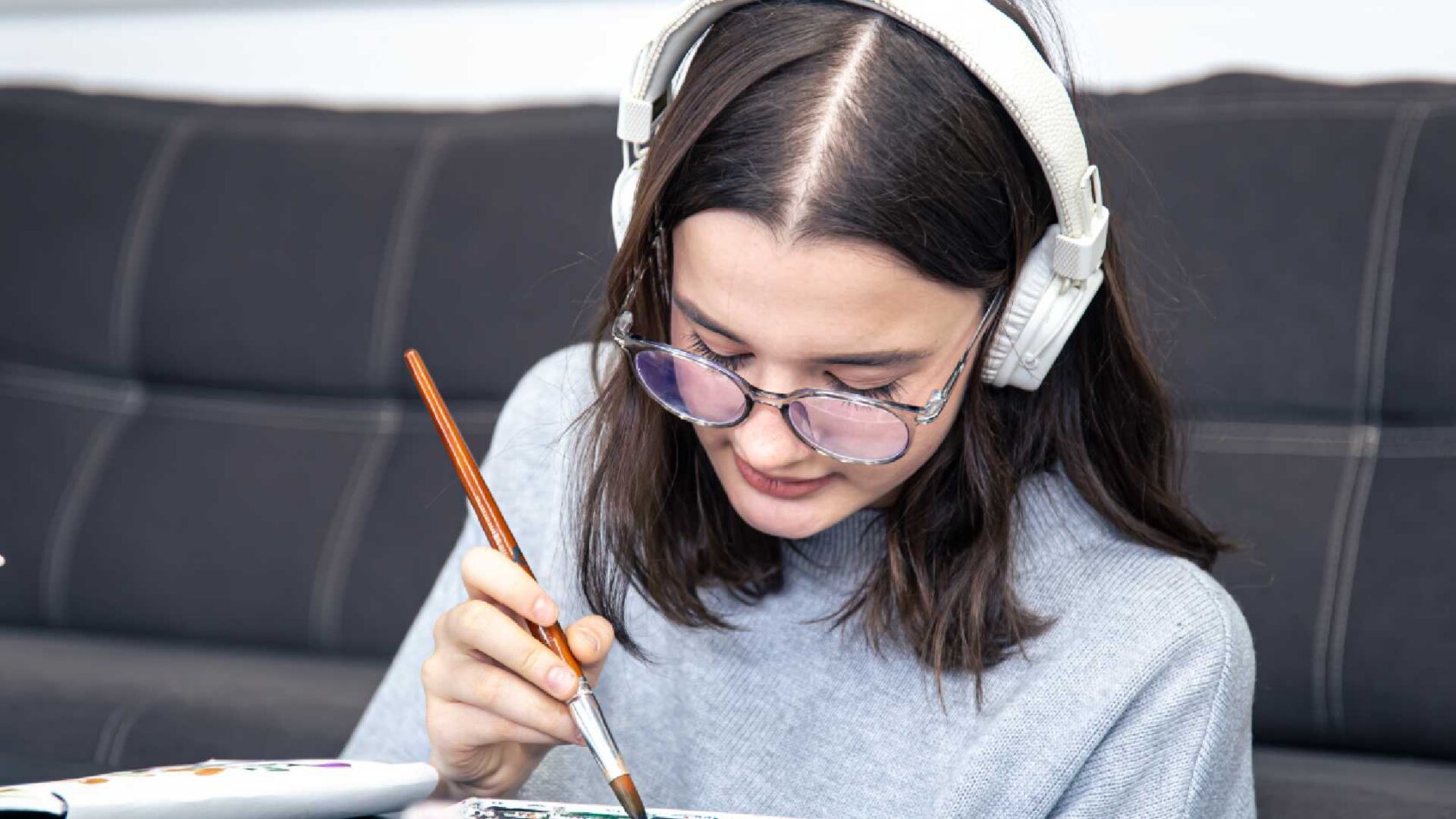
Art and music therapy for teens can transform the way your child engages in healing and self-discovery. If you’ve noticed your teen struggling with anxiety, low self-esteem, or resistance to talk therapy, creative arts therapies offer an immersive, experiential path to support their mental health. In art and music therapy for teens, trained therapists use drawing, painting, songwriting, improvisation, and group ensembles to help young people regulate emotions, build confidence, and strengthen communication skills. Many of these teen holistic therapy program options accept insurance, making them accessible alongside clinical care.
Explore holistic therapies
Creative arts therapies are part of a broader movement toward integrative experiential therapy for teens. Unlike traditional talk therapy, these approaches use nonverbal methods to tap into emotions and inner experiences. You’ll find programs that offer:
- Art therapy, where teens use painting, collage, sculpture, and other media to express feelings they may struggle to verbalize.
- Music therapy, which engages adolescents in songwriting, lyric analysis, instrument playing, and improvisation.
- Mindfulness and yoga therapy for teenagers, pairing movement and breath work with creative tasks.
- Equine therapy for adolescents and outdoor therapy and adventure programs for teens, combining experiential learning with nature and animal interactions.
By weaving together these modalities, holistic mental health program for teens can target emotional regulation, social connection, and trauma processing in ways that resonate with creative youth. If your teen resists sitting down for talk therapy, expressive therapy for teens may provide the bridge they need to open up.
Understand therapy benefits
In art and music therapy for teens, you’ll find powerful benefits that align with developmental needs and clinical goals. These approaches work alongside individual or group counseling to amplify treatment outcomes. Below are three key benefit areas.
Emotional regulation
Creative therapies offer teens concrete tools to manage overwhelming feelings. For example:
- Mindful coloring and abstract painting give teens a meditative focus, helping them stay grounded during periods of high stress [1].
- Music listening or improvisation can lower cortisol levels, reducing anxiety while promoting relaxation [2].
- Activities like emotion color swatches in art therapy help teens identify and label feelings, a first step toward healthy coping [3].
By repeatedly practicing these skills in creative sessions, adolescents build emotional resilience that carries over into school, family interactions, and peer relationships.
Communication skills
Art and music therapies create nonthreatening avenues for self-expression, helping teens who struggle to articulate complex thoughts and feelings in words. Key outcomes include:
- Improved verbal dialogue: Teens often discuss artwork or song lyrics, providing natural entry points into deeper conversations.
- Enhanced social engagement: Collaborative projects like group murals or choir activities foster teamwork and peer support [3].
- Greater assertiveness: Writing and performing original songs empowers teens to find their voice and share personal narratives.
For many families, integrating these creative processes with traditional counseling sessions opens doors that were previously closed in talk-only settings. You can learn more about combining modalities in residential therapy with holistic programming for teens.
Self-esteem and identity
Teenagers are forming their sense of self, and creative arts can be instrumental in that process:
- Music therapy at Lava Heights Academy builds therapeutic relationships through songwriting and performance, boosting motivation and self-identity [4].
- Art therapy at The Wave Clinic employs mediums like pottery, painting, and drama to help teens externalize and reframe personal narratives [5].
- Collaborative creative projects offer opportunities for positive feedback, validation, and celebration of skills, strengthening self-worth.
As teens complete projects and reflect on their growth, they gain a stronger sense of competence and autonomy that supports long-term recovery and wellness.
Apply art therapy methods
Art therapy provides a flexible toolkit that meets teens where they are emotionally and developmentally. Board-certified art therapists design sessions to match each young person’s interests and goals.
Creative expression activities
Engaging in visual art gives teens alternatives to words when expressing hidden or intense emotions:
- Self-portraits and identity collages help explore aspects of personality and self-image.
- Emotion color swatches allow teens to create visual maps of feelings like anger or joy, fostering nonverbal emotional literacy [3].
- Mindfulness art tasks such as dot mandala stones encourage present-moment awareness and stress relief [1].
These activities are not only therapeutic but also enjoyable, helping reduce resistance and build trust between the teen and therapist.
Group art projects
Collaborative art fosters social support and a sense of belonging:
- Group murals let teens contribute to a shared vision, strengthening peer bonds.
- Collaborative collage or mosaic work teaches negotiation, compromise, and creative problem-solving.
- Family art therapy sessions can improve communication without confrontational dialogue by having relatives create side-by-side artworks [6].
By sharing artistic experiences, teens who feel isolated can develop empathy and trust within the therapy group.
Apply music therapy methods
Music therapy uses rhythm, melody, and harmony to reach teens on a sensory level. Board-certified music therapists guide sessions that address individualized mental health goals.
Individual music interventions
Personal music work helps teens process feelings privately or in one-on-one sessions:
- Songwriting and lyric analysis let teens craft narratives about their experiences, helping them externalize and reframe challenges [7].
- Instrument play provides sensory regulation and a focus for attention, aiding impulse control and stress reduction.
- Music movement therapy uses movement and dance for emotional release, improving mood and managing negative energy [3].
These targeted interventions can address anxiety, depression, trauma responses, and self-esteem issues effectively.
Collaborative music activities
Group music experiences build social skills and a sense of community:
- Choir and ensemble participation strengthens teamwork, communication, and mutual support, enhancing social engagement [2].
- Music improvisation groups encourage spontaneity, empathy, and active listening.
- Recording and performance projects boost confidence through public sharing and celebrate each teen’s contributions.
Through these activities, teens learn to trust others, develop leadership abilities, and find belonging in a positive peer environment.
Integrate therapy with care
Art and music therapy complement clinical services like cognitive behavioral therapy and experiential DBT and mindfulness for adolescents. By integrating creative modalities into a comprehensive treatment plan, you ensure your teen receives:
- Holistic emotional regulation program for teens that addresses mind, body, and spirit.
- Coordinated care between psychiatrists, counselors, and creative arts therapists.
- Skill generalization, using creative techniques to reinforce coping strategies learned in talk therapy.
Whether your teen attends an outpatient experiential therapy that accepts insurance or resides in a structured program, art and music therapies support overall treatment goals and foster sustainable growth.
Navigate insurance coverage
Many families worry about costs. The good news is that art and music therapy for teens is often covered by insurance when provided by licensed clinicians:
- Check your policy for mental health benefits and confirm coverage for creative arts therapies.
- Look for programs listed under “creative arts therapy,” “expressive therapy for teens,” or “holistic therapy for teen stress and self-awareness.”
- Ask providers about sliding-scale fees or in-network status with your insurer.
Programs such as teen holistic therapy that accepts insurance or specialized outpatient clinics can guide you through verification and billing, ensuring you maximize benefits and minimize out-of-pocket costs.
Choose the right program
Selecting a program that fits your teen’s interests and needs is key. Consider:
- Therapeutic focus: Does the program emphasize art, music, or a blend of creative modalities?
- Therapist credentials: Ensure therapists are board-certified in art therapy (ATR-BC) or music therapy (MT-BC).
- Group size and setting: Smaller groups often allow deeper connections and more individualized attention.
- Insurance acceptance: Confirm in-network providers or reimbursement options.
- Complementary offerings: Some centers combine equine therapy for adolescents or outdoor adventure therapy, giving teens varied ways to engage [8].
Visiting facilities, observing sessions, and speaking to staff can help you gauge whether the environment feels safe and supportive. Programs like integrative experiential therapy for teens often offer tours or introductory sessions so teens can experience the creative process firsthand.
Your next steps
Art and music therapy for teens is more than an alternative—it’s a game changer that taps into creativity to foster emotional healing, communication, and resilience. By exploring expressive therapy for teens alongside clinical treatments, you can:
- Equip your teen with practical tools for emotional regulation.
- Help them uncover and strengthen their authentic voice.
- Support long-term mental health with insurance-covered programs.
- Build a comprehensive treatment plan that honors your teen’s unique journey.
To learn more about holistic teen therapy options, visit our pages on experiential therapy that accepts insurance or residential therapy with holistic programming for teens. With the right creative arts therapies in place, your teen can thrive, heal, and discover strengths they never knew they had.