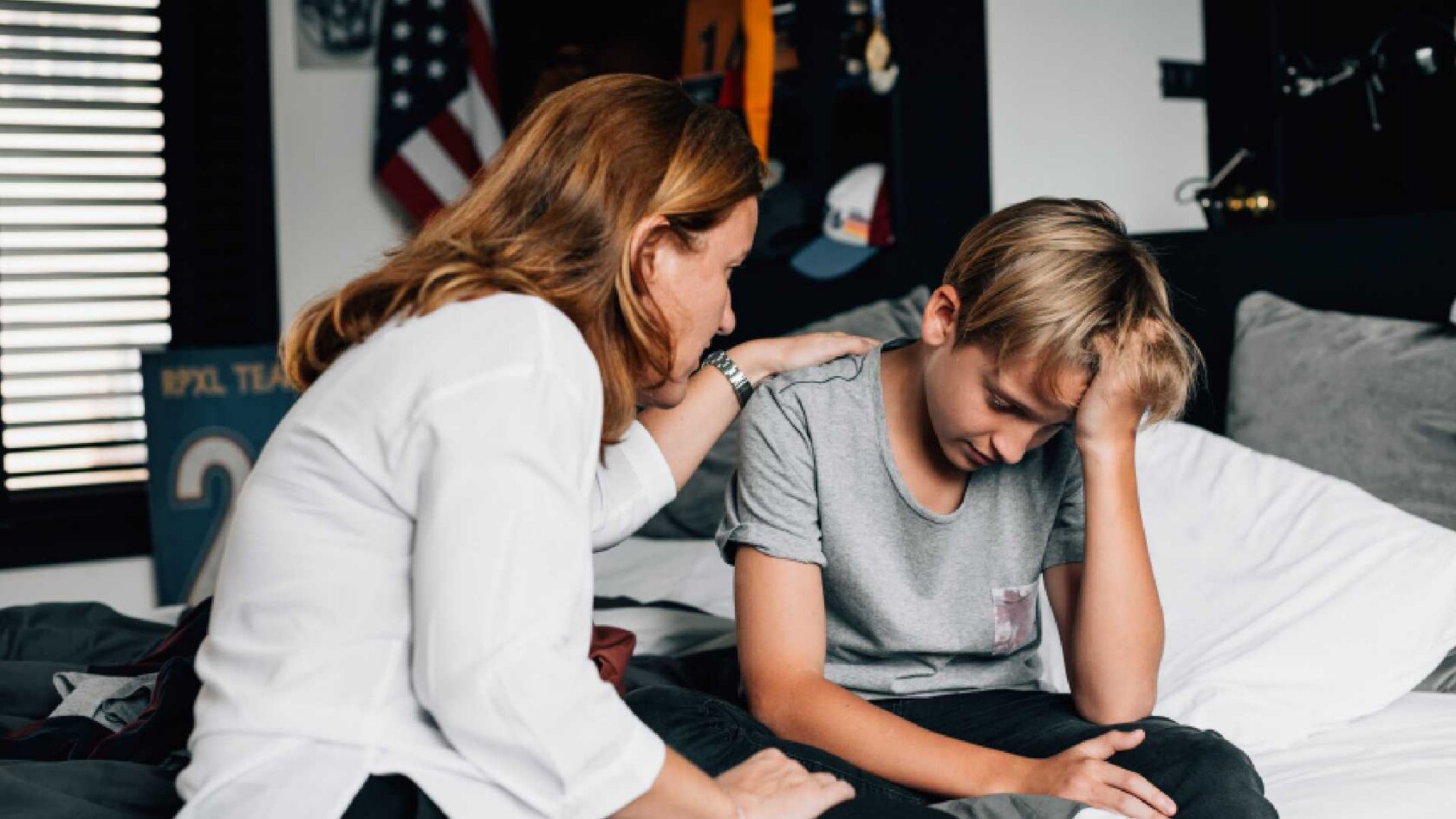
If you’re researching teen residential treatment for co-occurring disorders for your child, you want a structured, full-time program that addresses both mental health and substance use under one roof. These specialized facilities combine 24-hour support, integrated therapies, psychiatric oversight, and academic continuity to stabilize teens facing depression, anxiety, trauma, mood disorders, or behavioral challenges. Understanding how these programs work and what to look for can help you choose the right path forward.
Understand co-occurring disorders
What are co-occurring disorders?
Co-occurring disorders occur when a teen is experiencing both a mental health condition and a substance use disorder simultaneously. Treating these issues separately can miss critical interactions between symptoms, leading to higher relapse rates and poorer long-term outcomes.
Common comorbidities in teens
Teens with mood or anxiety disorders often self-medicate with alcohol or drugs, creating a cycle that worsens both conditions. Nearly 45 percent of adolescents and young adults with mental health disorders also have a co-occurring substance use disorder [1]. Common pairings include:
- Depression and alcohol misuse
- Anxiety disorders and prescription drug abuse
- PTSD and cannabis use
- ADHD and stimulant misuse
Why integrated care matters
An integrated treatment model addresses mental health and substance use simultaneously, rather than in isolation. Evidence shows that residential programs using this approach reduce symptoms more effectively and improve lasting recovery [2].
Explore residential treatment benefits
24-hour therapeutic support
In a residential setting, your teen has access to clinicians, nurses, and support staff around the clock. This continuous care helps them:
- Manage withdrawal and medical issues
- Practice coping skills in real time
- Receive immediate support during crises
Many residential treatment center for teens offer safe, supervised environments where staff monitor mood fluctuations and substance cravings.
Integrated therapy approaches
Residential programs blend multiple evidence-based therapies into a cohesive plan. Common modalities include:
| Therapy type | Description |
|---|---|
| Cognitive behavioral therapy (CBT) | Challenges negative thoughts that fuel substance use and emotional distress |
| Dialectical behavior therapy (DBT) | Teaches emotion regulation, distress tolerance, and interpersonal skills [3] |
| Family therapy | Engages parents and siblings to improve communication and support |
| Experiential therapies | Activities such as equine or wilderness therapy for self-expression |
Psychiatric oversight and safety
Board-certified psychiatrists and nurse practitioners supervise medication management, addressing issues like antidepressant dosing or withdrawal support. Regular assessments ensure your teen’s safety and adjust treatment as needed.
Academic continuity and support
Maintaining school progress is crucial for self-esteem and future success. Many programs include on-site classrooms, accredited curricula, or partnerships with local schools. Look for a teen residential program with academic support to ensure your child stays on track.
Evaluate treatment components
Individualized treatment planning
A thorough intake assessment examines your teen’s history, strengths, and challenges. From there, the team builds a personalized plan that may include therapy, medication, life-skills coaching, and recreational activities.
Family involvement
Family therapy sessions and parental education help you understand triggers, set healthy boundaries, and reinforce recovery skills at home. Active family engagement is a key predictor of long-term success.
Group and peer support
Small group sessions foster peer connections and shared accountability. Age-appropriate mutual-aid meetings can supplement treatment, though finding youth-focused groups remains a challenge [4].
Aftercare and continuing care
Transitioning out of residential care without support raises the risk of relapse. Programs that initiate continuing care within two weeks of discharge—through outpatient therapy, family check-ins, or Assertive Continuing Care (ACC)—see better outcomes in abstinence and symptom management [4].
Select the right facility
Insurance coverage factors
Finding a program that accepts your plan can ease financial stress. Verify which services are covered—such as detox, individual therapy, or schooling—and ask about out-of-pocket costs. A teen mental health facility that accepts insurance or residential care for teens that accepts insurance can guide you through benefits verification.
Finding facilities that accept insurance
- Contact your insurer for a list of in-network providers
- Ask the treatment center to confirm preauthorization requirements
Comparing program costs and benefits
- Compare length of stay, staff-to-client ratios, and included therapies
- Look for sliding-scale fees or scholarship options
Location and environment
Consider proximity to home for family visits, climate, and campus setting. Urban campuses may offer more specialized services, while rural or suburban facilities often provide a retreat-like atmosphere.
Staff qualifications and accreditation
Ensure the program is accredited by recognized bodies and that clinicians hold appropriate credentials. Accreditation standards often align with the American Society of Addiction Medicine (ASAM) service levels.
Prepare for residential care
What to expect at admission
On day one, your teen will undergo:
- Clinical and psychiatric evaluations
- Physical health screening
- Orientation to rules and daily schedules
This process guides placement in therapy groups and determines initial medical needs.
Tips for supporting your teen
- Maintain open communication about hopes and fears
- Coordinate with staff on customized family sessions
- Encourage participation in therapeutic activities
Maintain progress post-discharge
Assertive continuing care
ACC services delivered in the home community help teens link to outpatient treatment, support groups, and school reentry. Rapid initiation of ACC within 14 days of discharge improves abstinence from alcohol and marijuana regardless of treatment completion status [4].
Community and peer groups
Joining youth-focused recovery meetings or a teen mental health recovery program can offer ongoing support. If 12-step groups feel adult-oriented, look for adolescent-specific alternatives or professionally facilitated peer groups.
By choosing a comprehensive teen residential mental health treatment approach, you give your child the best chance to stabilize, heal, and thrive. With the right facility and a strong aftercare plan, your teen can build resilience, restore academic progress, and develop healthy coping skills for life beyond treatment.